Study in Ireland
Education entirely in English, world-ranked universities and a European hub for Google, Meta and Apple. As an EU citizen you benefit from Free Fees, so you pay only the student contribution, not the tens of thousands that non-Europeans pay.
Ireland has a huge advantage over the rest of continental Europe: everything is taught in English, natively, so you do not have to learn Dutch, French or German in order to study. Add world-ranked universities, a booming tech economy (the European headquarters of Google, Meta, Apple, Microsoft, LinkedIn and Pfizer are all in Dublin!) and a 2-year work visa after graduation, and you understand why Ireland is increasingly popular among Romanians.
For Romanian students, the financial advantage is clear: through the Free Fees Initiative, as an EU citizen the Irish state covers your tuition fee, and you pay only the student contribution of approximately EUR 2,500 per year (permanently cut by EUR 500 through Budget 2026 for the 2026-27 academic year). A non-European student, by contrast, pays EUR 17,000 up to EUR 30,000 per year. The Romanian Baccalaureate is accepted and converted into CAO points, and applying for a bachelor's is done through the national CAO system (Central Applications Office), very similar to the UK's UCAS.
The EU advantage for Romanians
In Ireland, a non-European student pays tuition fees of EUR 17,000 up to EUR 30,000 per year. You, as an EU citizen, benefit from the Free Fees Initiative: the Irish state covers your tuition fee, and you pay only the student contribution of approximately EUR 2,500 per year (permanently cut by EUR 500 through Budget 2026 for 2026-27). In practice, the same world-ranked education, entirely in English, at a fraction of the cost, precisely because you are a citizen of the European Union. And native English means zero language barrier, unlike most countries in continental Europe.
Recommended universities in Ireland
Eight universities selected for Romanians (all in English, all with Free Fees for you as an EU citizen!). Dublin, Cork, Galway, Limerick and Maynooth.
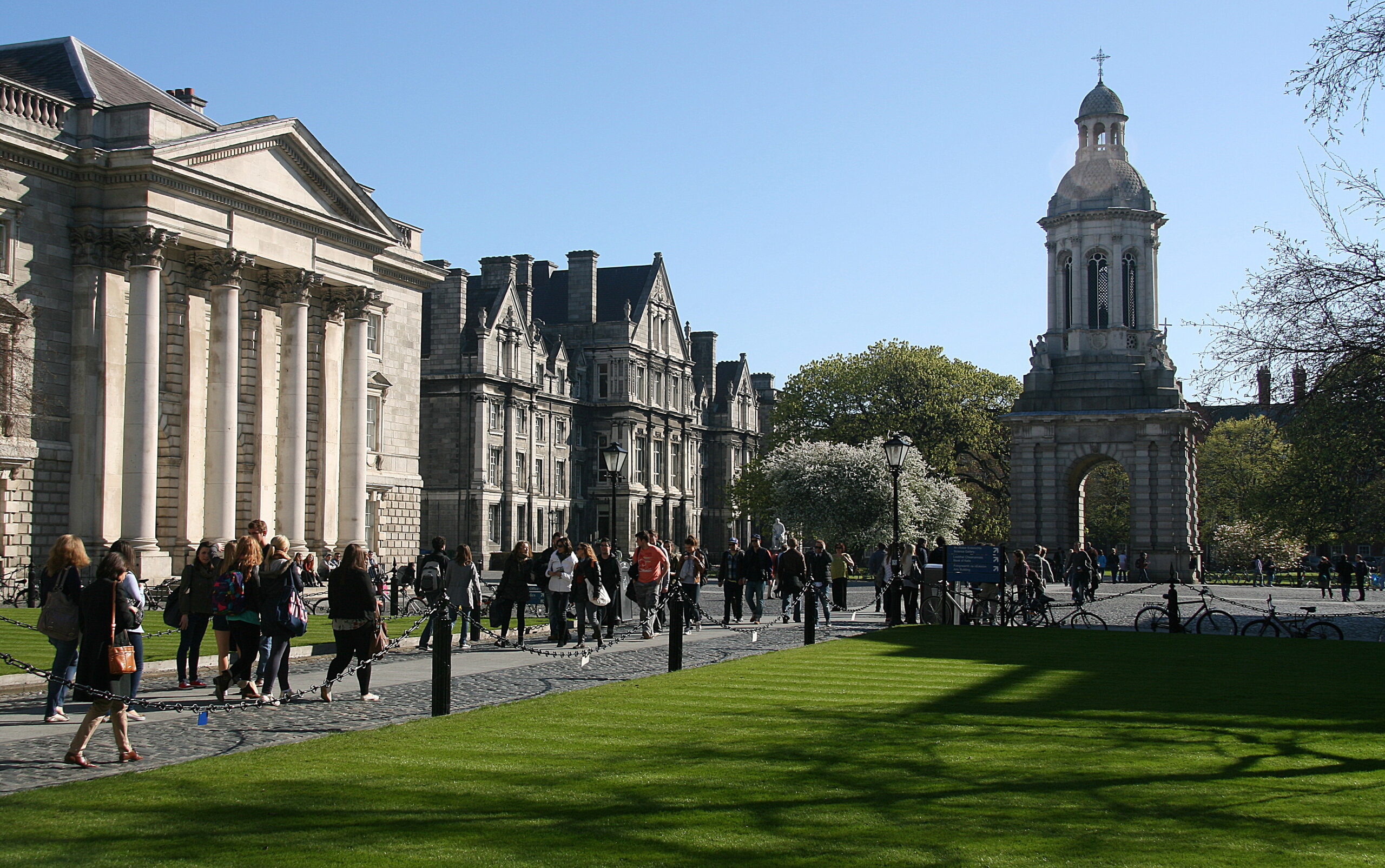
Trinity College Dublin (TCD)
Number 1 in Ireland and the oldest (founded 1592). Global prestige, the iconic library (7 million volumes, the Book of Kells!). Strong in Law, Humanities, Computer Science, Medicine and Sciences. Iconic alumni: Oscar Wilde, Samuel Beckett.
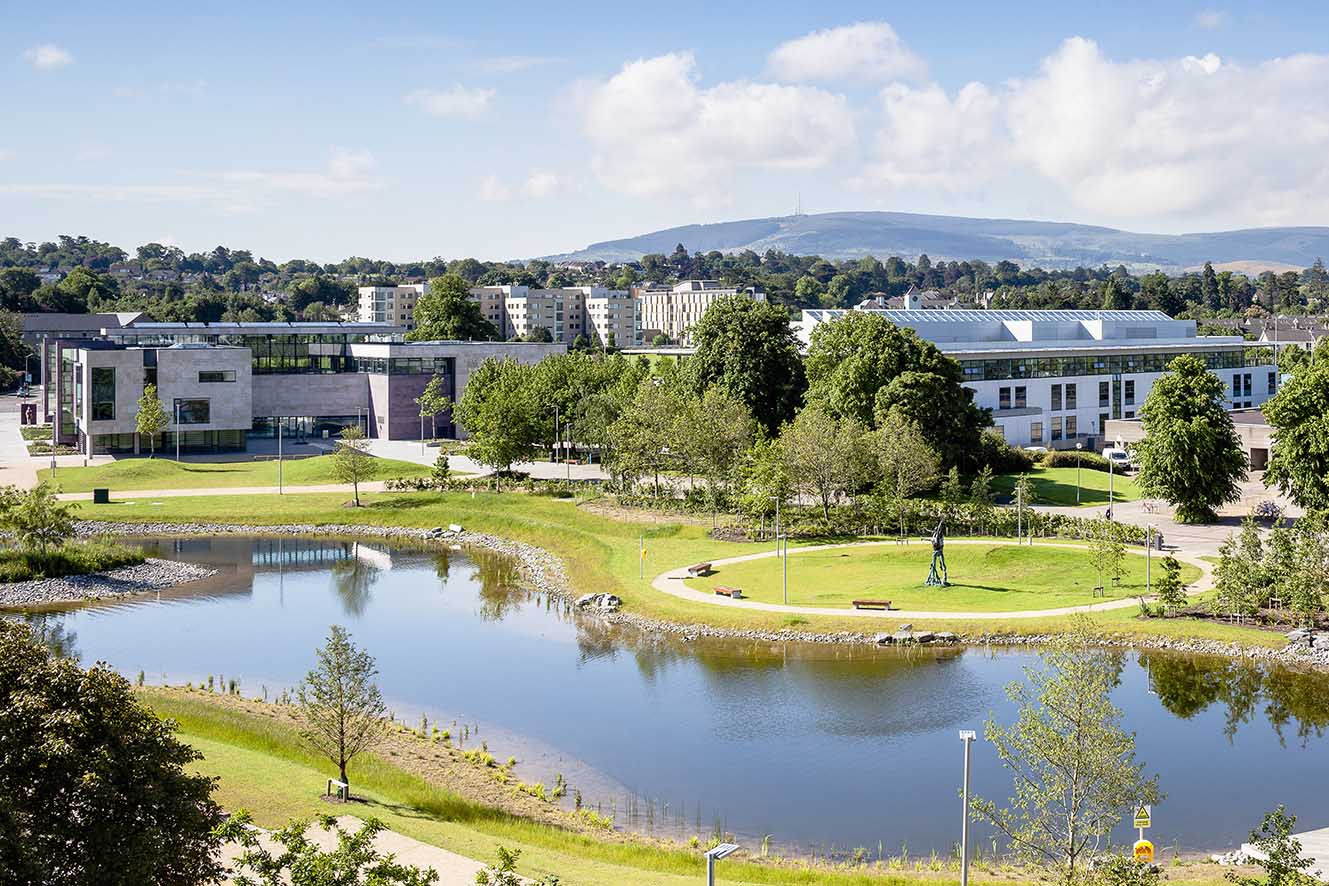
University College Dublin (UCD)
The largest university in Ireland, a modern campus at Belfield. Strong in Business (Smurfit School!), Engineering, Veterinary Medicine, Agriculture and Computer Science. Over 11,000 international students from 130+ countries, excellent employability.
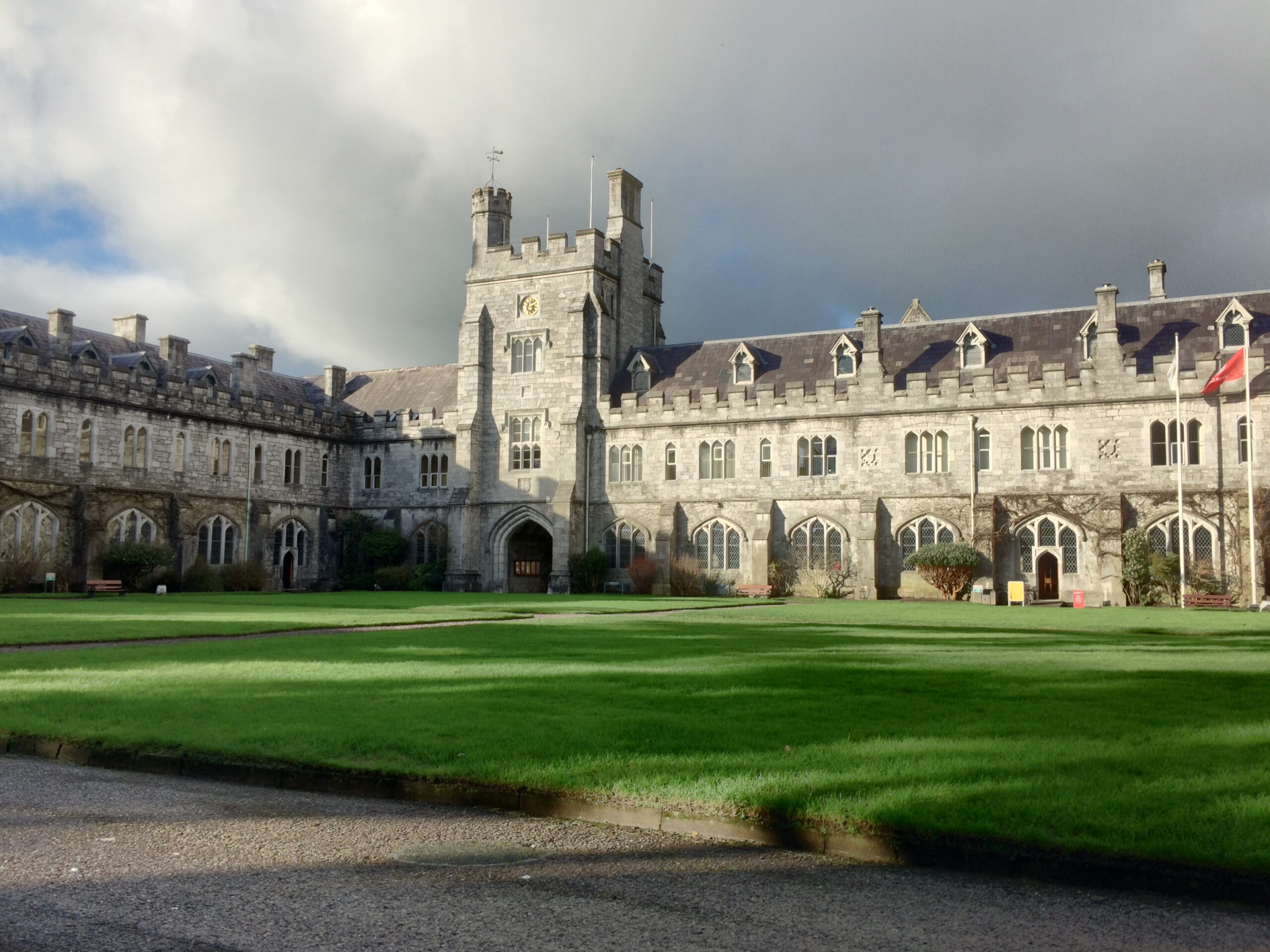
University College Cork (UCC)
A comprehensive university with a beautiful campus on the river Lee. Strong in Medicine, Sciences, Business, Law and Food Science. A strong international community, a pleasant student city that is more affordable than Dublin, a rich cultural life.
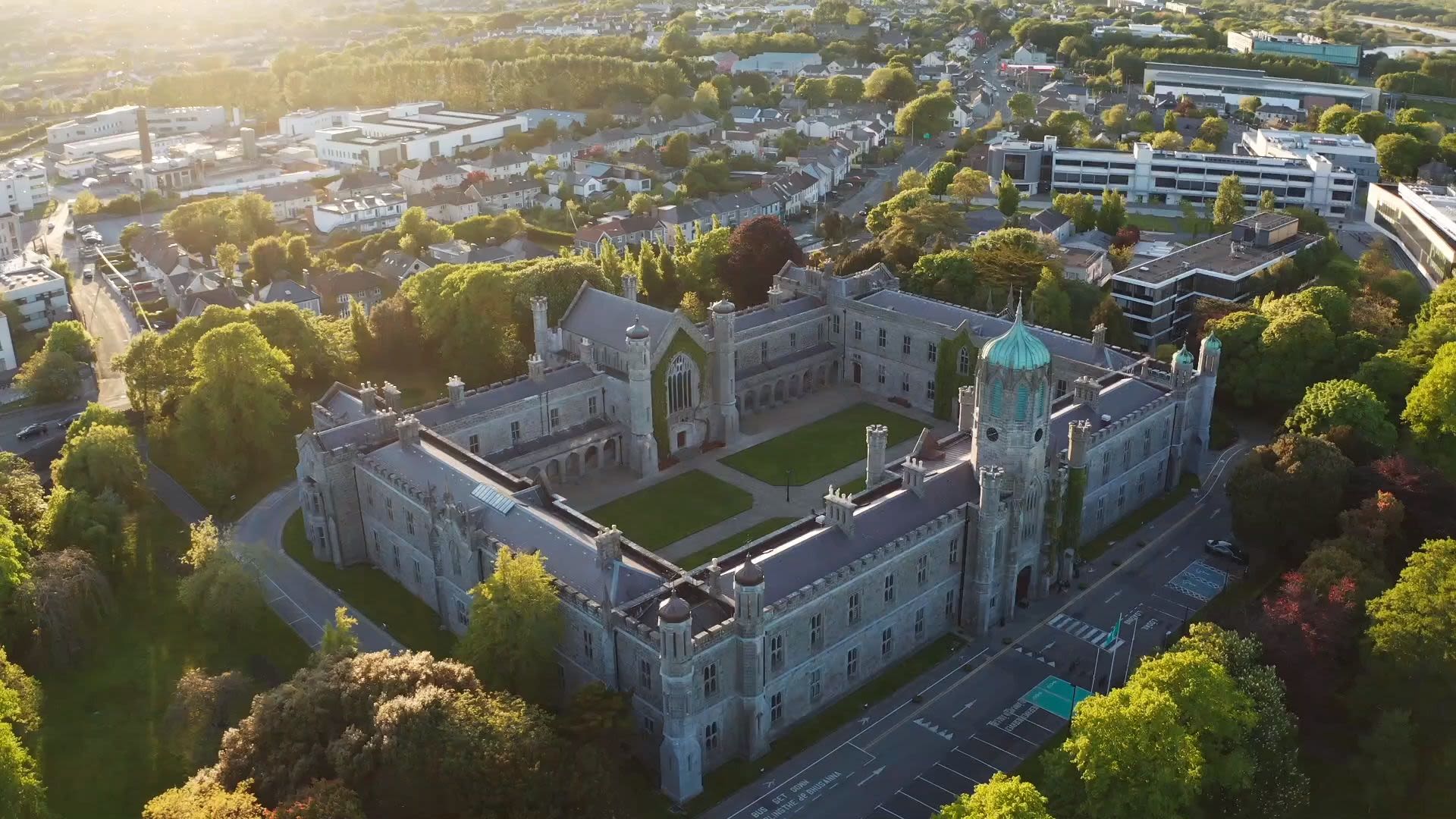
University of Galway
A research university with a strong reputation, in the vibrant cultural city of Galway (Ireland's creative capital!). Strong in Medicine, Engineering, Arts, Law and Marine Sciences. A friendly atmosphere, with the spectacular Atlantic coast nearby.
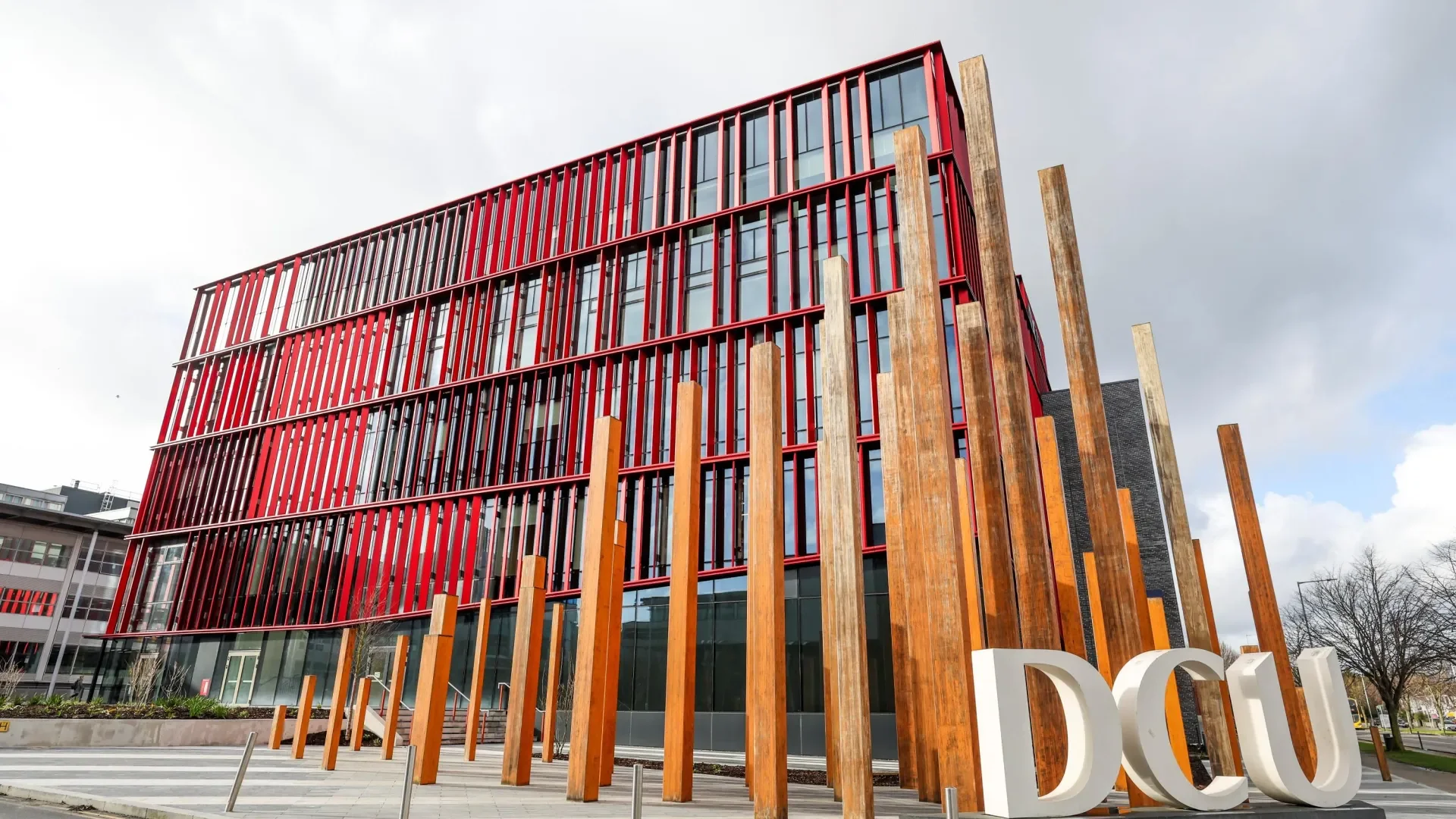
Dublin City University (DCU)
A modern, career-oriented university, known for strong links to industry. Strong in Business, Computer Science, Communications, Engineering and Education. Integrated placements (INTRA), very high employability, close to Dublin's tech hub.
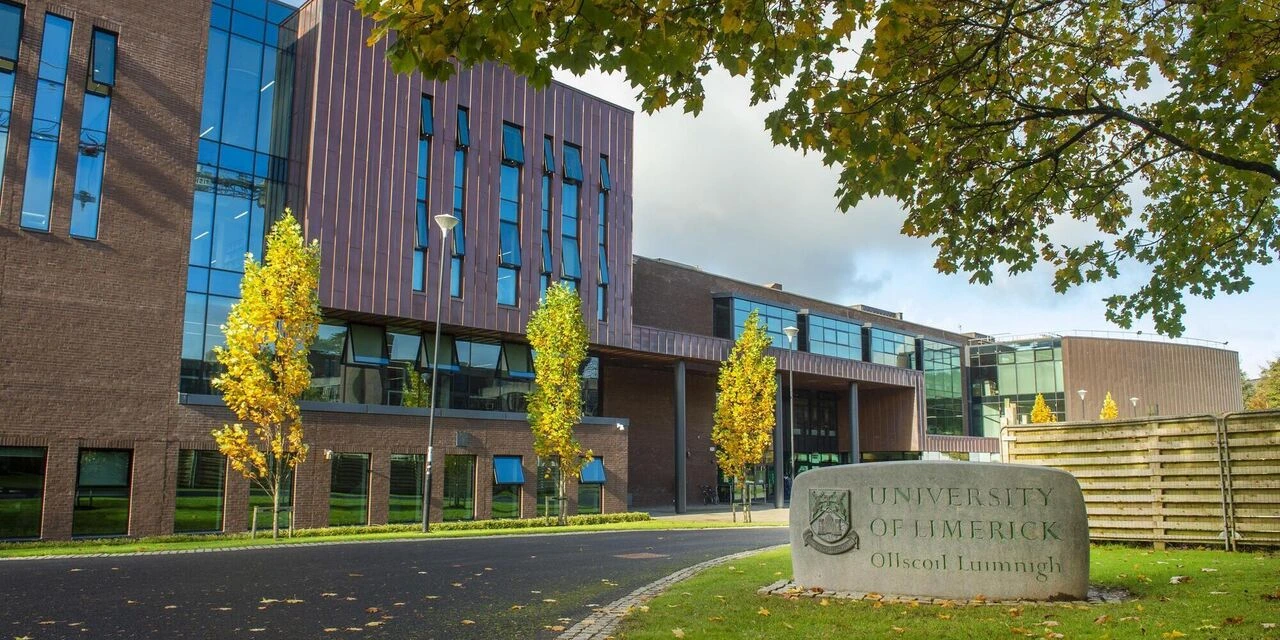
University of Limerick (UL)
A pioneer in co-op (paid placements integrated into the program!), a modern campus on the river Shannon. Strong in Business, Engineering, Computer Science and Health Sciences. Known for placements and industry links, one of the most beautiful campuses in Ireland.
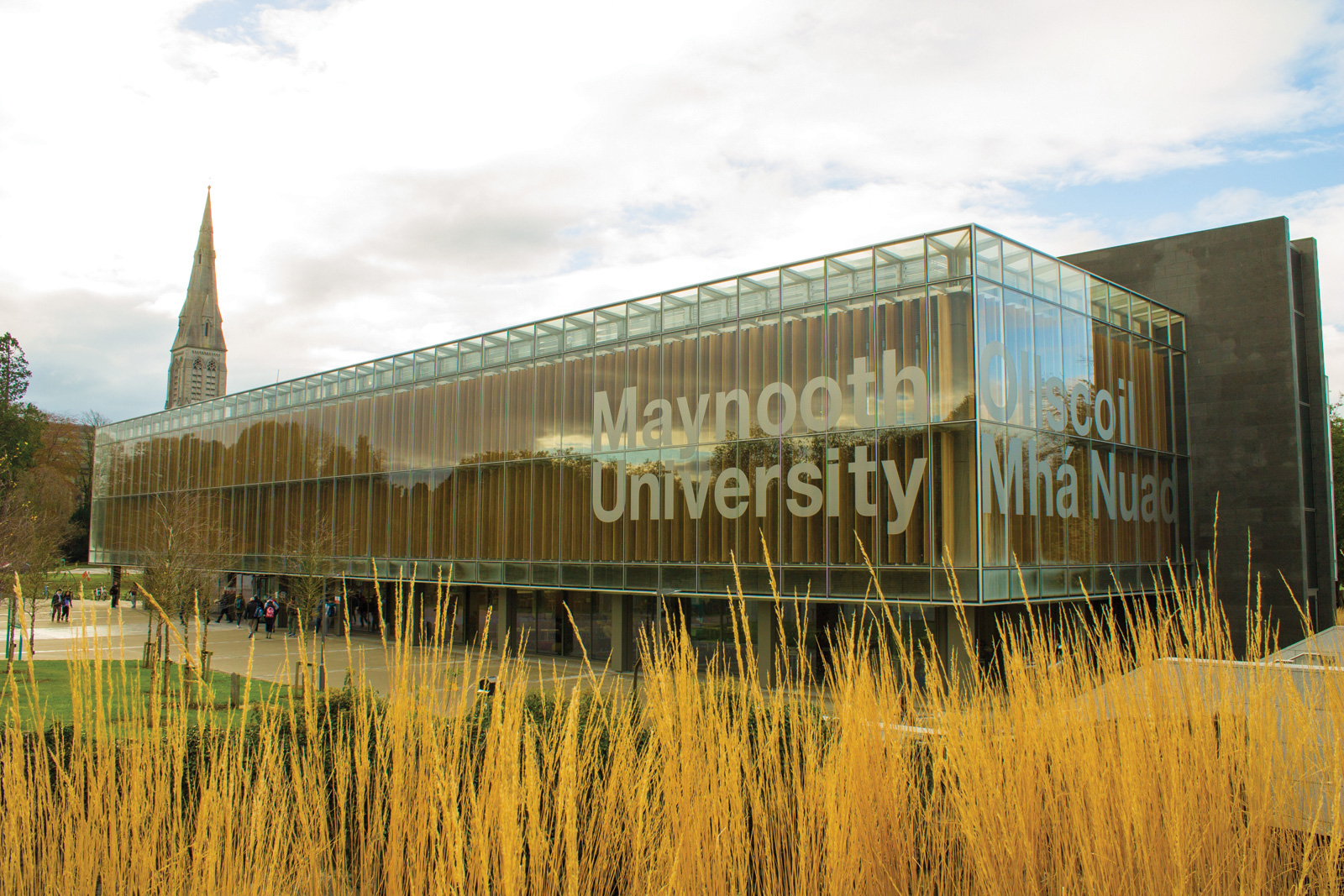
Maynooth University
A young and dynamic university, with one of the most beautiful campuses in Ireland (historic + modern). Strong in Social Sciences, Computer Science, Arts and Business. A flexible approach, a close-knit community, just 25 km from Dublin.
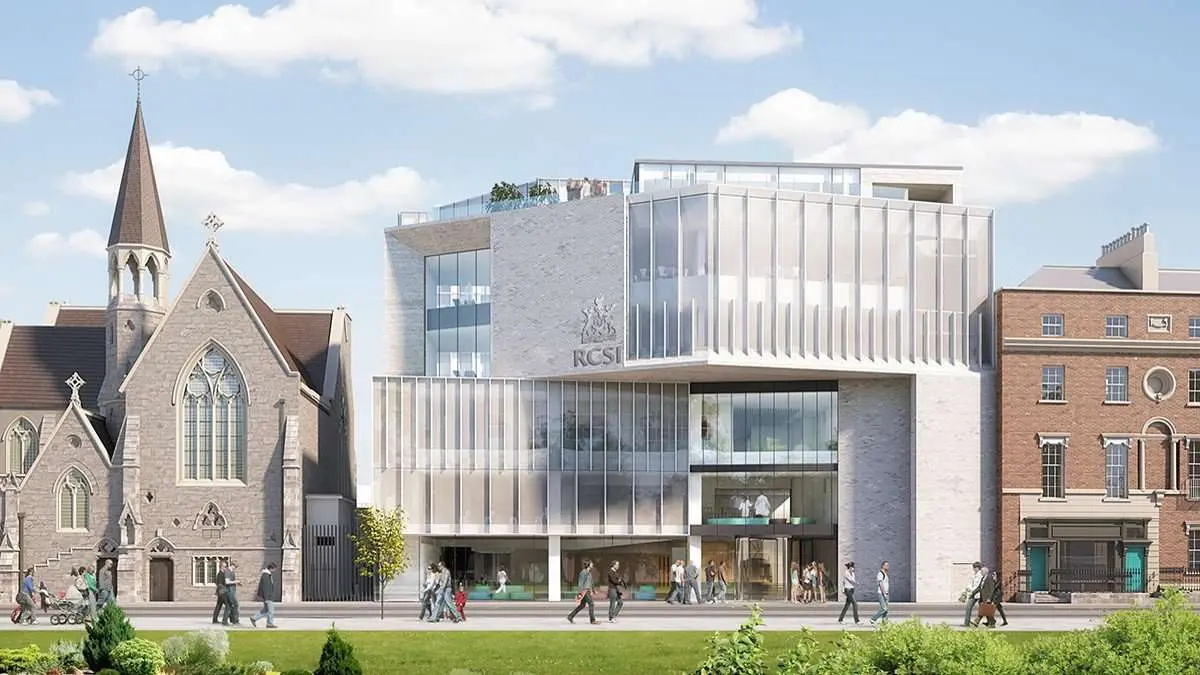
RCSI University of Medicine and Health Sciences
A university specialized exclusively in medicine and health, one of the most prestigious in the world in the field (founded 1784). Strong in Medicine, Pharmacy, Physiotherapy and Nursing. An extremely international community, global recognition for graduates.
How to apply in Ireland
Applying for a bachelor's is done through the national CAO system, very similar to UCAS. The process is clear and predictable, and everything takes place in English.
Apply through CAO
The bachelor's is applied for through CAO (Central Applications Office), the single national system, very similar to the UK's UCAS. One form for up to 10 level 8 courses (bachelor's) plus 10 level 6/7 courses.
Baccalaureate converted into CAO points
The Romanian Baccalaureate is accepted and converted into an equivalent CAO score. Each course has a minimum points threshold; admission is based on the score, so your Baccalaureate grades count directly.
Proof of English
Because everything is taught in English, you need a proficiency test: target IELTS 6.5 or TOEFL 90+ (the exact requirements vary by university and program). Native English means zero language barrier once admitted.
EU citizen status (Free Fees)
As a Romanian citizen, you are an EU citizen, therefore eligible for the Free Fees Initiative: the state covers tuition, and you pay only the student contribution of approximately EUR 2,500 per year (cut by EUR 500 through Budget 2026 for 2026-27). You check the residency criteria when applying.
CAO deadlines
The standard deadline is 1 February, with a window to change your choices in spring (change of mind, usually until 1 July). Offers are received in August, after the exam results. You apply early so you do not miss the thresholds.
Accommodation and student life
The cost of living is EUR 1,000-1,500 per month (Dublin pricier, Cork, Galway or Limerick more affordable). You apply early for campus accommodation. As an EU citizen you can work without visa restrictions during your studies.
Why choose Ireland
Four advantages that make Ireland unique in Europe, especially for Romanian students who want to study in English without a language barrier.
Free Fees for EU citizens
Through the Free Fees Initiative, as an EU citizen the Irish state covers your tuition fee. You pay only the student contribution of approximately EUR 2,500 per year (permanently cut by EUR 500 through Budget 2026 for 2026-27), while a non-European student pays EUR 17,000 up to EUR 30,000 per year. Exactly the same education, at a fraction of the cost, because you are a citizen of the European Union.
Natively English-speaking, zero language barrier
Unlike the Netherlands, France or Germany, in Ireland everything is taught in English, natively. You do not have to learn a new language in order to study, and your degree and English skills are recognized everywhere. It is the simplest leap from Romanian high school to an English-language European university.
European tech hub and career
The European headquarters of Google, Meta, Apple, Microsoft, LinkedIn and Pfizer are in Dublin. After graduation you are entitled to a 2-year work visa (Third Level Graduate Programme), and as an EU citizen you can stay and work without restrictions. Internships and co-op integrated into programs at UL and DCU.
World-ranked universities
Trinity College Dublin (approximately #75 QS World), UCD (approximately #118), UCC and University of Galway are internationally recognized. An academic system close to the British one, with CAO as the equivalent of UCAS, and strong international communities with many European students.
Do you want to study in Ireland?
We help you navigate the CAO system, convert your Baccalaureate into points correctly, choose the right university and make the most of Free Fees plus Dublin's tech market. Everything in English, with no language barrier. Our mentors have been through the process. The mentoring session is 100% free.
Talk to a mentorFrequently asked questions
What Romanian students and their parents ask most often about studying in Ireland.
How much do studies in Ireland cost for Romanians?
As an EU citizen, you benefit from the Free Fees Initiative: the Irish state covers your tuition fee, and you pay only the student contribution of approximately EUR 2,500 per year (permanently cut by EUR 500 through Budget 2026 for 2026-27). A non-European student, by contrast, pays between EUR 17,000 and EUR 30,000 per year. On top of that comes the cost of living of approximately EUR 1,000 up to EUR 1,500 per month (Dublin pricier, Cork, Galway or Limerick more affordable).
What is the Free Fees Initiative and who is eligible?
The Free Fees Initiative is the scheme through which the Irish state covers the tuition fee for the bachelor's for students who meet the citizenship and residency criteria. As an EU citizen, Romanians are eligible: you pay only the student contribution of approximately EUR 2,500 per year for 2026-27 (cut by EUR 500 through Budget 2026), not the full fee. There are residency conditions (usually having lived in the EEA or Switzerland for a certain number of years), which you check when applying.
Is everything taught in English in Ireland?
Yes. Ireland is a natively English-speaking country, so all bachelor's courses are taught in English. Unlike the Netherlands, France or Germany, you do not have to learn another language in order to study. You only need proof of language proficiency when applying (target IELTS 6.5 or TOEFL 90+, the exact requirements vary by program).
Is the Romanian Baccalaureate accepted in Ireland?
Yes. The Romanian Baccalaureate is accepted and converted into an equivalent score in the CAO system. Each course has a minimum points threshold, and admission is based on the score, so your Baccalaureate grades count directly. The higher your average, the more selective programs you can access.
What is CAO and how do you apply through it?
CAO (Central Applications Office) is the single national system for applying to universities in Ireland, very similar to the UK's UCAS. You fill in a single online form in which you rank your choices (up to 10 level 8 courses / bachelor's plus 10 level 6/7 courses). The standard deadline is 1 February, with a change of mind window in spring. Offers are received in August.
Which are the best universities in Ireland for Romanians?
Trinity College Dublin (number 1 in Ireland, approximately #75 QS World) and University College Dublin (approximately #118, strong in business through Smurfit School) are the best known. Next come University College Cork, University of Galway, DCU, University of Limerick (a co-op pioneer), Maynooth and RCSI (specialized in medicine and health). The choice depends on field, city and budget.
Can I work in Ireland during and after my studies?
Yes. As an EU citizen, you can work without visa restrictions throughout your studies and after graduation. In addition, Ireland has a very strong tech market, with the European headquarters of Google, Meta, Apple, Microsoft, LinkedIn and Pfizer in Dublin. There is also the Third Level Graduate Programme, a 2-year post-graduation work visa relevant for non-EU students, but as a Romanian you have full work rights anyway.
How much does student life cost in Ireland?
The cost of living is approximately EUR 1,000 up to EUR 1,500 per month, including accommodation, food, transport and personal expenses. Dublin is the most expensive (especially accommodation), while Cork, Galway, Limerick and Maynooth are more affordable. The recommendation is to apply early for campus accommodation, which is usually cheaper and safer than private rent in Dublin.
Our mentors from Europe
They studied at Bocconi, Sciences Po, TU Delft, ETH Zurich and other top EU universities. Now they guide you.