
Study in the Netherlands
The largest selection of English-taught bachelor's programs in continental Europe, world-ranked universities, and the best value for money for an EU student. As an EU citizen you pay a fee several times lower than a non-European.
The Netherlands has become one of the most popular destinations for international students, and for good reason: it was the first non-English-speaking country to offer programs in English, and today it has more than 2,100 programs taught entirely in English, around 30% of all bachelor's degrees, more than any other country in continental Europe. The universities sit in the global top 200, the cities are safe and bike-friendly, and English is spoken everywhere.
For EU students, the advantage is perhaps the strongest in Europe. As an EU citizen you pay the statutory fee (wettelijk collegegeld) of approximately 2,694 EUR per year (the 2026-27 national rate), identical to a Dutch student's. A non-European student, by contrast, pays 13,000 to 18,000 EUR per year. Your secondary-school diploma is recognized, you apply through the national platform Studielink, and after graduation you are entitled to a 12-month orientation visa to find a job.
The EU advantage for European students
The Netherlands has perhaps the strongest EU advantage in Europe. A non-European student pays between 13,000 and 18,000 EUR per year at bachelor's level, while you as an EU citizen pay the statutory fee of approximately 2,694 EUR per year, identical to a Dutch student's. In effect, one of the best educations in the world, with hundreds of English-taught programs, at a fraction of the cost, precisely because you are a citizen of the European Union.
Recommended universities in the Netherlands
Eight elite public universities selected for international students (all with the low statutory EU fee!). Delft, Amsterdam, Utrecht, Rotterdam, Groningen, Eindhoven, and Maastricht. Hundreds of programs in English.

TU Delft
Number 1 in the Netherlands and in the global top 10 for engineering. Strong in Engineering, Architecture, Aerospace, Computer Science, and Design. Strong industry ties, an innovation ecosystem, and many English-taught bachelor's programs.

University of Amsterdam (UvA)
The best comprehensive university in the Netherlands, in the global top 60. Strong in Economics, Political Science, Communication, Psychology, and Humanities. Dozens of English-taught bachelor's programs, in the heart of Amsterdam.
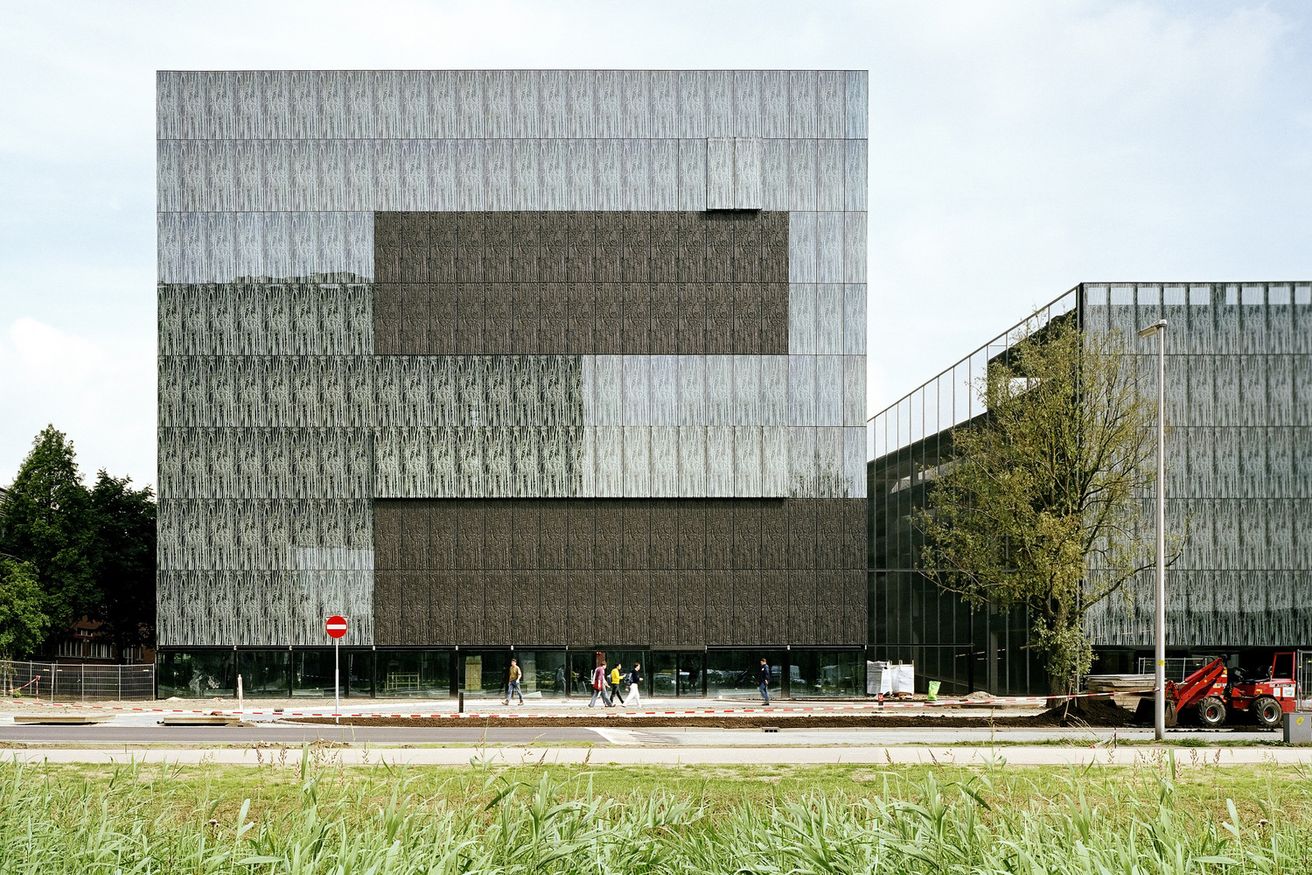
Utrecht University
One of the oldest and best research universities in the Netherlands (founded 1636). Strong in Life Sciences, Geosciences, Law, Economics, and Humanities. University College Utrecht offers liberal arts in English.
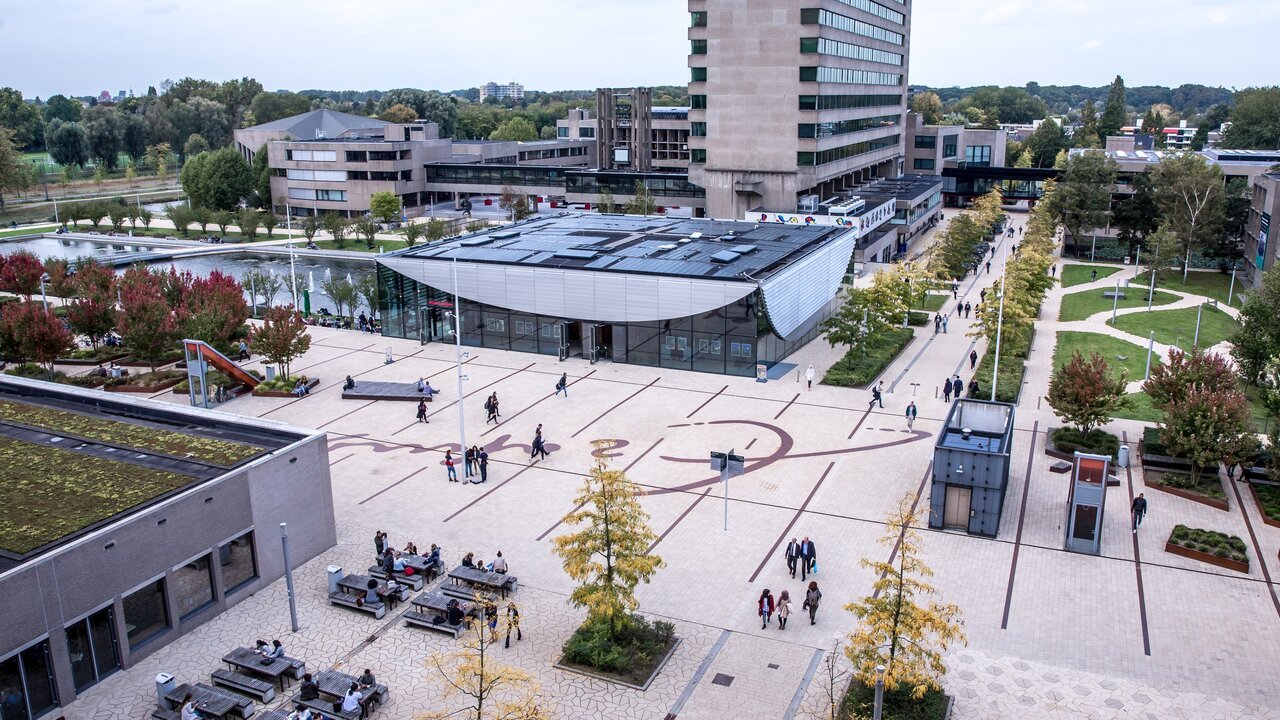
Erasmus University Rotterdam
A European powerhouse in Business, Economics, and Management (the iconic Rotterdam School of Management!), plus strong in Medicine and Social Sciences. Many English-taught bachelor's programs, excellent employability, and a modern, international city.

Vrije Universiteit Amsterdam (VU)
A large research university in Amsterdam (founded 1880). Strong in Business, Economics, Life Sciences, Medicine, Law, and Artificial Intelligence. Modern campus, a strong international community, and many programs in English.
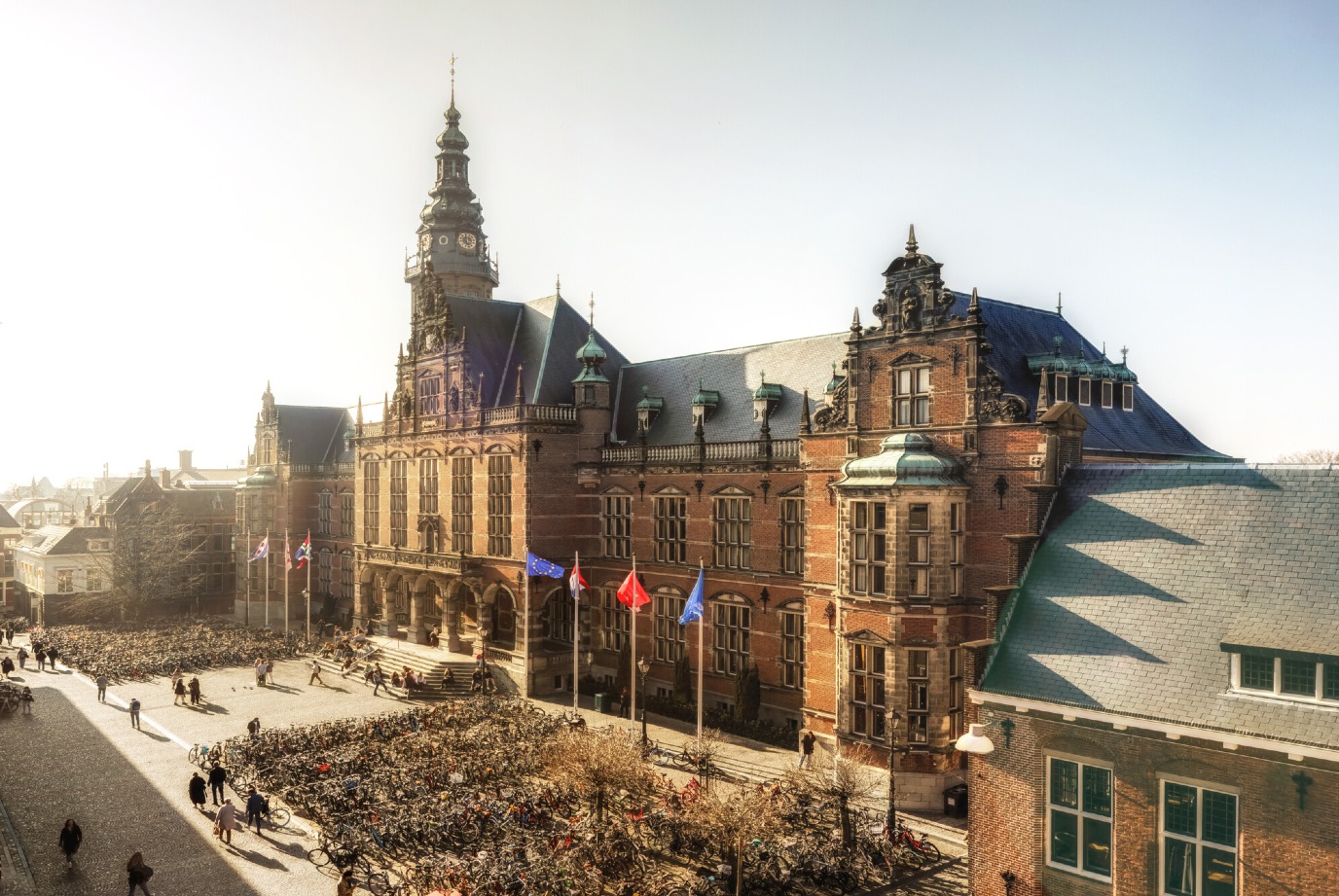
University of Groningen
A research powerhouse with a long tradition (founded 1614), strong in Astronomy, Artificial Intelligence, Life Sciences, Economics, and Law. One of the largest offerings of English-taught bachelor's programs in the Netherlands, and a vibrant student city.
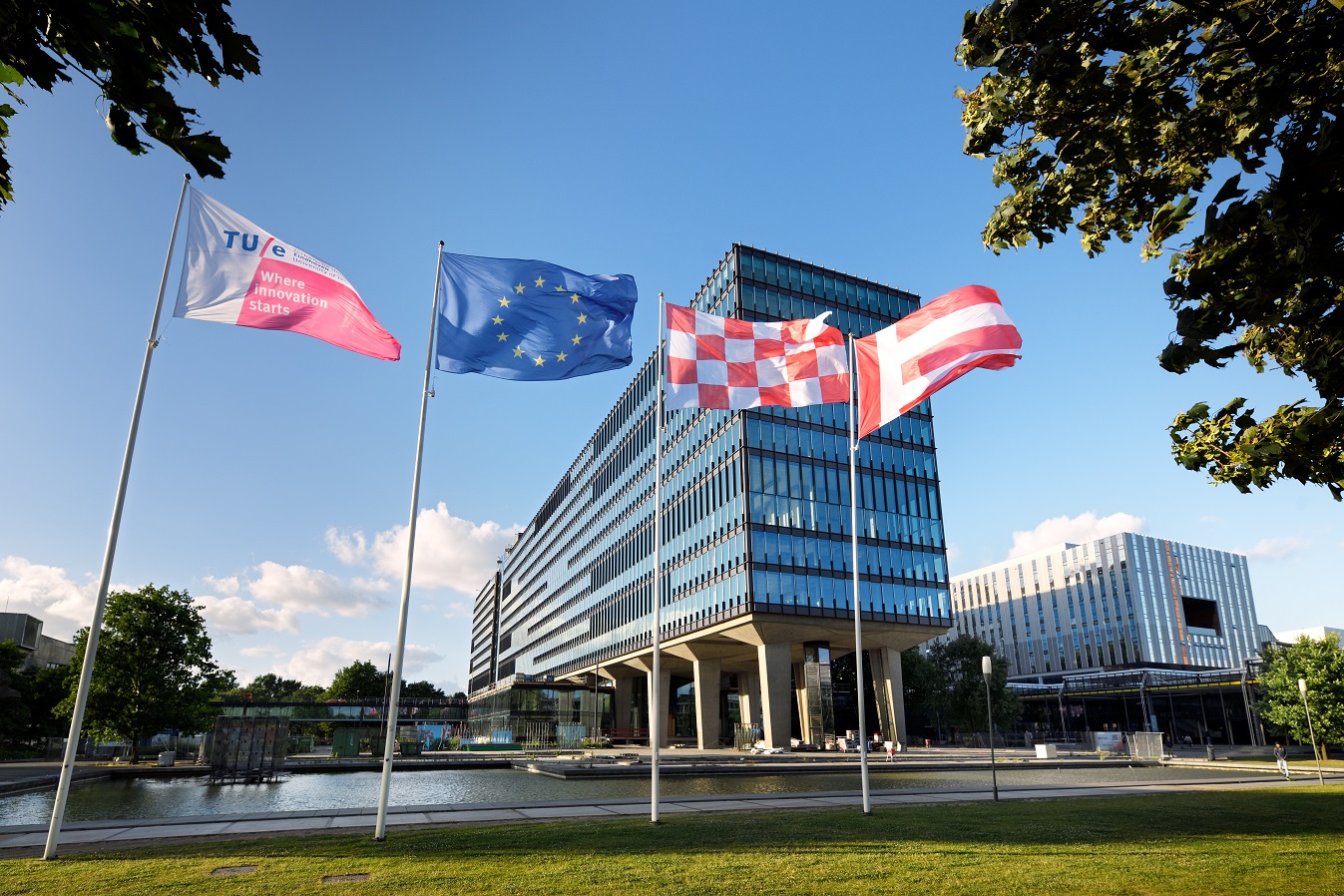
Eindhoven University of Technology (TU/e)
One of the best technical universities in the Netherlands, at the heart of Europe's "Brainport." Strong in Engineering, Computer Science, Data Science, and Electrical Engineering. Direct links to ASML and Philips, and many English-taught bachelor's programs.
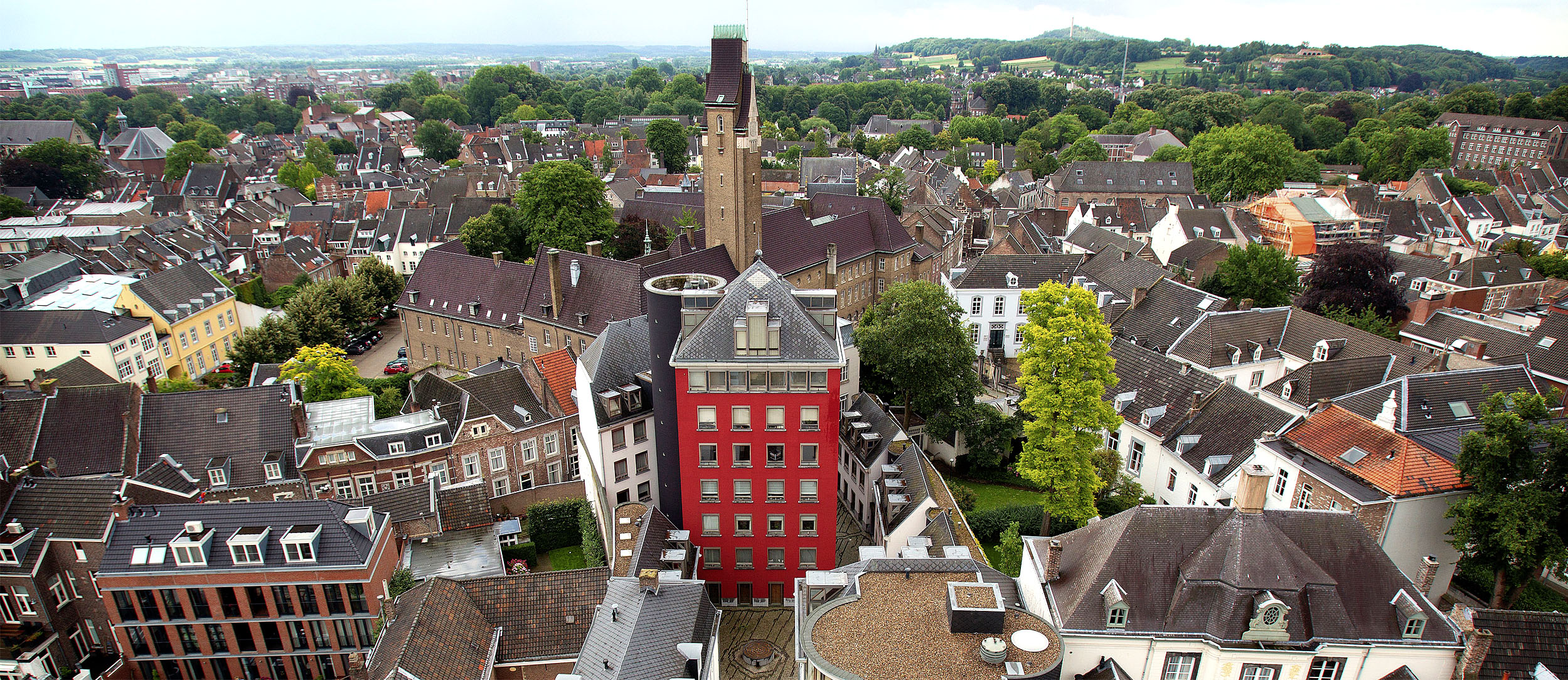
Maastricht University
The most international university in the Netherlands, famous for Problem-Based Learning (learning in small groups!). Strong in Business, Economics, Law, Health, and International Relations. Almost all programs are in English, with over 50% international students.
Want to study in the Netherlands?
We help you navigate Studielink, choose among the hundreds of English-taught programs, understand the Numerus Fixus system for competitive programs, and make the most of the reduced statutory EU fee. Our mentors have been through the process. The mentoring session is 100% free.
Talk to a mentorFrequently asked questions
What students and their parents ask most often about studying in the Netherlands.
How much tuition do I pay as an EU student in the Netherlands?
As an EU citizen, you pay the statutory fee (wettelijk collegegeld) of approximately 2,694 EUR per year (the 2026-27 national rate), exactly like a Dutch student. For comparison, a non-European student pays between 13,000 and 18,000 EUR per year at bachelor's level. The EU advantage is the main reason the Netherlands offers the best value for money in Europe for a European student.
Is a Romanian (or other EU) secondary-school diploma recognized for admission in the Netherlands?
Yes. A Romanian secondary-school diploma (and equivalent EU diplomas) is recognized thanks to shared membership of the European Union and is accepted as a qualification for admission to bachelor's studies in the Netherlands. Some programs may require specific subjects at an advanced level (for example mathematics for engineering or economics) and a minimum grade average. In addition to your diploma, you will need proof of English such as IELTS or TOEFL for programs taught in English.
How do I apply to a university in the Netherlands?
You apply through Studielink, the national enrollment platform used by all Dutch universities. You create an account, choose the program and university, then complete your application directly on the university's portal (motivation letter, transcript, English certificate). For programs with Numerus Fixus (limited places, such as Medicine or Psychology) there is a separate selection procedure and an earlier deadline, usually 15 January.
Can I study in the Netherlands if I don't speak Dutch?
Yes, with no problem. The Netherlands has more than 2,100 programs taught entirely in English, around 30% of all bachelor's degrees, the most in continental Europe. You do not need Dutch to study, and English is spoken everywhere in daily life. You only need proof of English proficiency (usually IELTS 6.0-6.5 or the TOEFL equivalent) for admission. WIB note: the Dutch Wet internationalisering in balans law, currently being phased in, aims to rebalance internationalisation and may gradually reduce some English-taught programmes; check the exact language of your programme when you apply.
What is Numerus Fixus and which programs does it apply to?
Numerus Fixus means a fixed number of places for high-demand programs, such as Medicine, Psychology, Dentistry, or certain business programs. For these programs you are not admitted automatically: there is a selection based on grades, motivation, and sometimes additional tests. The Numerus Fixus deadline is earlier than the rest, usually 15 January, so it is important to plan ahead.
How much does student life cost in the Netherlands?
The cost of living is approximately 900 to 1,300 EUR per month, depending on the city. Amsterdam is the most expensive, especially for accommodation, while cities like Groningen, Maastricht, or Eindhoven are more affordable. The budget covers accommodation, food, transport (the bike is king in the Netherlands), and other expenses. Many students work part-time, which as an EU citizen is allowed without any work permit restrictions.
Can I stay in the Netherlands after graduation?
Yes. As an EU citizen you have the right to live and work in the Netherlands without a visa. In addition, graduates have access to a 12-month orientation visa (zoekjaar) dedicated to finding a job. The Netherlands has a strong job market, especially in tech, engineering, business, and the life sciences, with major employers such as ASML, Philips, ASR, and international companies headquartered in Amsterdam and Rotterdam.
Which university in the Netherlands is right for me?
It depends on your field. For engineering and technology: TU Delft or TU Eindhoven. For business and economics: Erasmus Rotterdam or Maastricht. For a strong comprehensive profile: University of Amsterdam, Utrecht, or Groningen. For the most international experience and learning in small groups: Maastricht, with its Problem-Based Learning method. All 8 universities are public and you benefit from the reduced statutory EU fee at each one. A mentor can help you choose based on your academic profile.
Our mentors from Europe
They studied at Bocconi, Sciences Po, TU Delft, ETH Zurich, and other top EU universities. Now they guide you.

