
Study in Italy
Universities with centuries of tradition, a global powerhouse in engineering, design and business. And at public ones, as an EU citizen, you pay based on family income (ISEE), sometimes close to zero.
Italy has become an increasingly popular destination for Romanians: the oldest university in the world (Bologna, founded 1088), world-class technical universities (Politecnico di Milano broke into the QS top 100!), a business school that competes with HEC and LBS (Bocconi), plus more than 600 programmes taught in English. Add the food, the climate and a reasonable cost of living outside Milan and you have one of the most attractive offers in Europe.
For Romanian students, the decisive advantage: you are an EU citizen. At Italian public universities the fee is calculated by family income through the ISEE system for all students, so as a Romanian you pay between EUR 0 and EUR 4,000 per year, exactly like an Italian. The fees of EUR 15,000 to EUR 25,000 per year appear only at private universities (Bocconi, LUISS), where they are fixed and the same for everyone. The Romanian Baccalaureate is recognised, and you apply through the national Universitaly portal plus directly with the university.
The EU advantage for Romanians (the ISEE system)
At Italian public universities, you as a Romanian enter the ISEE system, where the fee depends on your family income, exactly as it does for an Italian. In practice, a family with an average or low income can pay between EUR 0 and EUR 2,000 per year at a top public university. The fees of EUR 15,000 to EUR 25,000 per year appear only at private universities (Bocconi, LUISS), where they are fixed and the same for everyone. That makes Italy one of the best cost-to-quality opportunities in Europe for a Romanian student.
Recommended universities in Italy
Nine institutions selected for Romanians: public universities (low ISEE fees!) and world-class private business schools. Milan, Rome, Bologna, Padua, Turin and Venice.
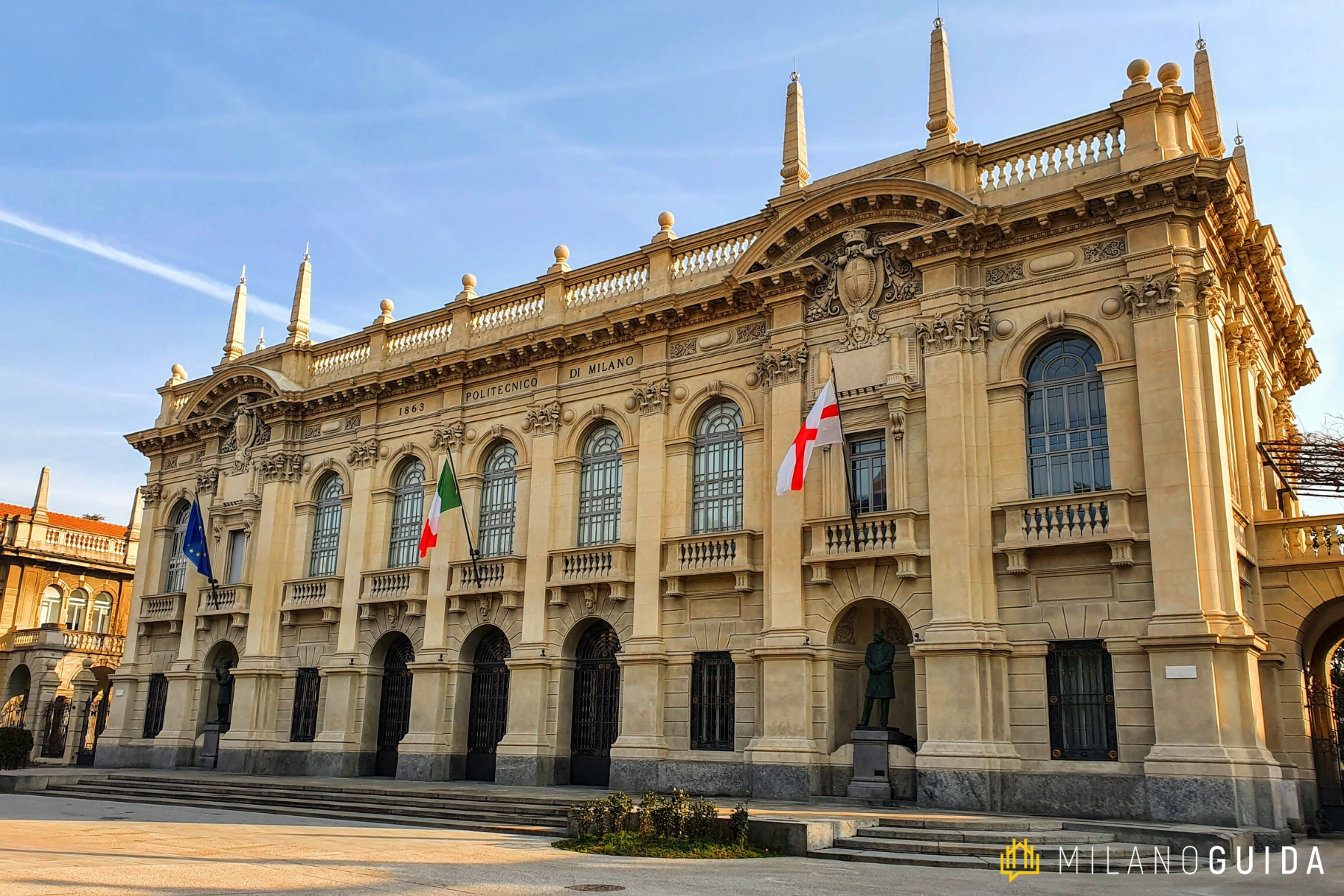
Politecnico di Milano
Number 1 in Italy and the first Italian university to enter the global top 100! A global powerhouse in Engineering, Architecture and Design (top 20 worldwide by subject). Bachelor's in English in Computer/Mechanical/Building Engineering and Architecture.
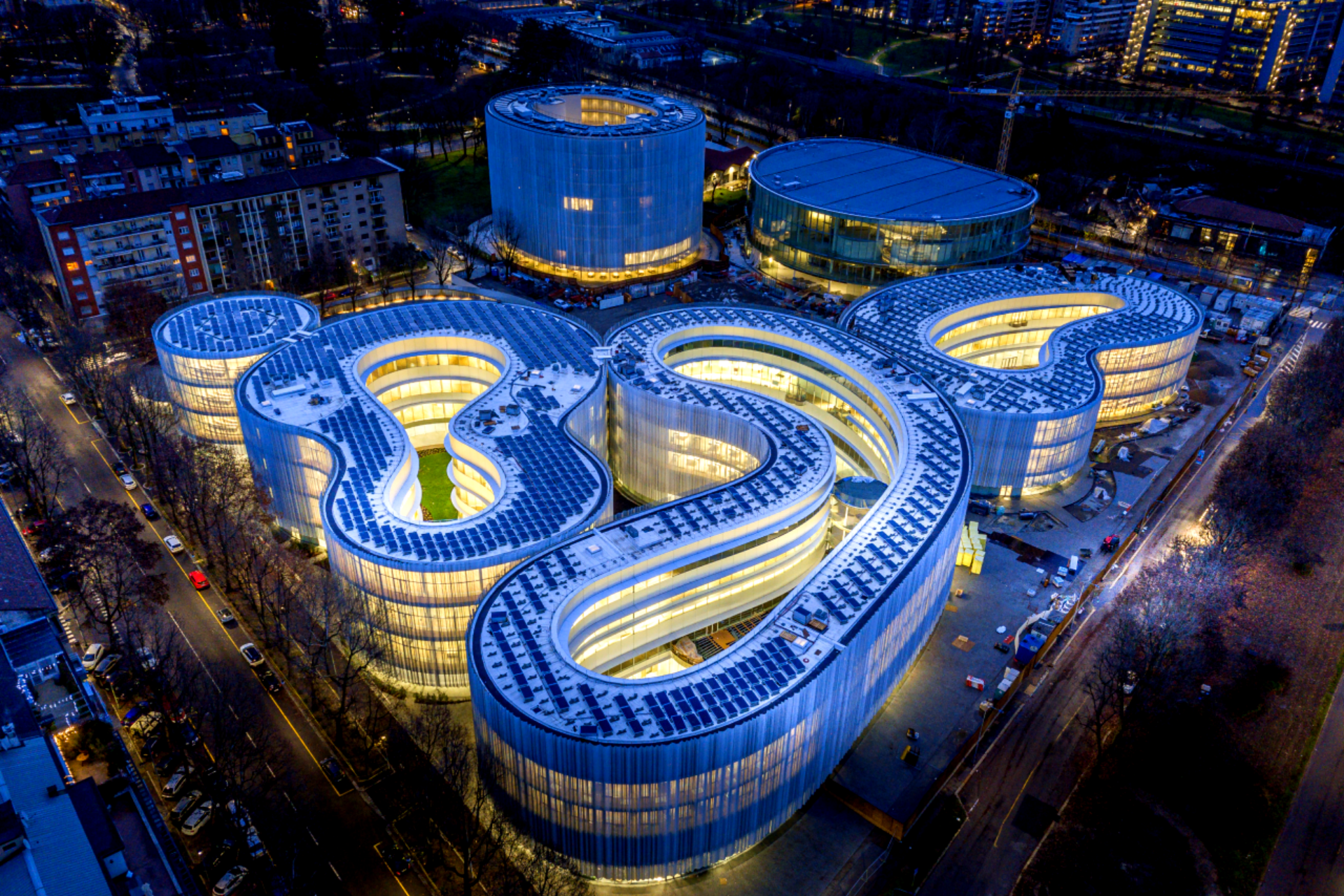
Università Bocconi
Top 10 in Europe for Economics and Management, competing with HEC and LBS. Strong in Economics, Business, Finance, Management and Data Science. Many programmes in English, a global corporate network, 90%+ employability.
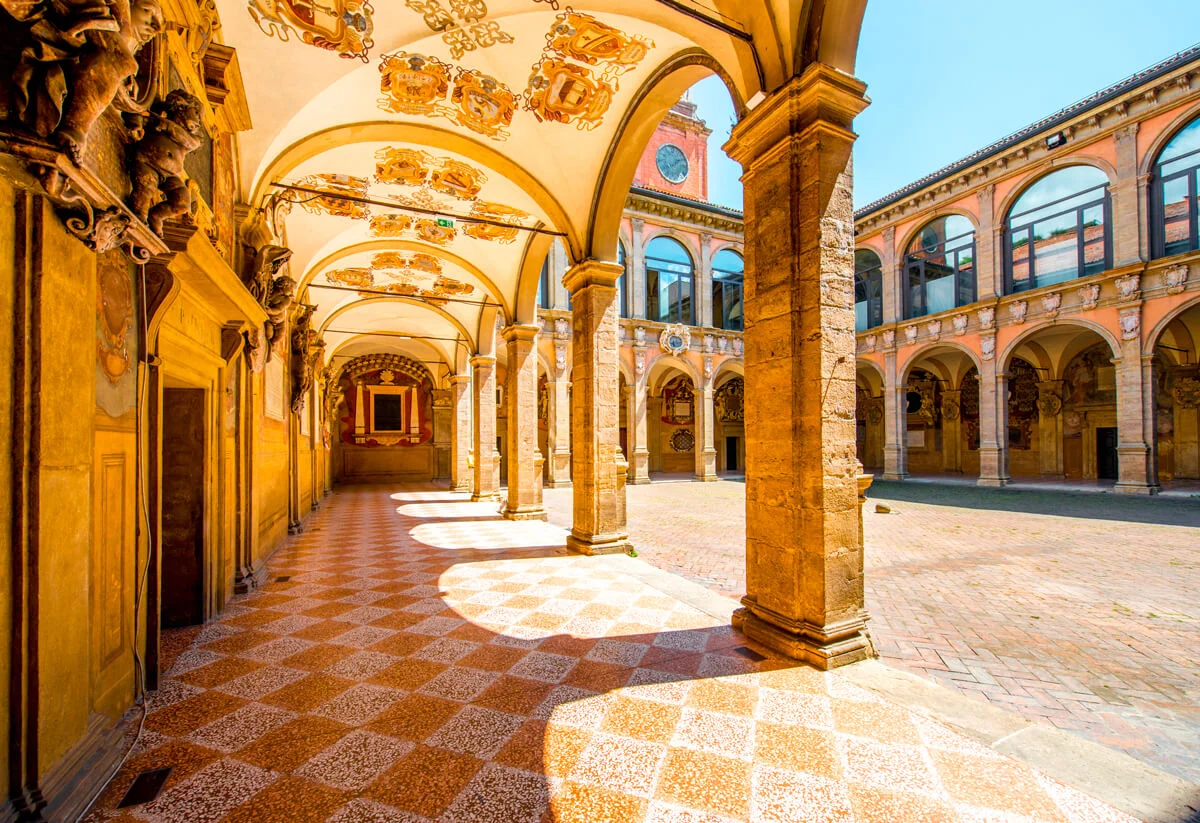
Università di Bologna
The oldest university in the world (founded 1088)! Comprehensive and prestigious, with more than 30 programmes in English. Strong in Medicine, Law, Economics, Engineering and Humanities. An iconic student city.
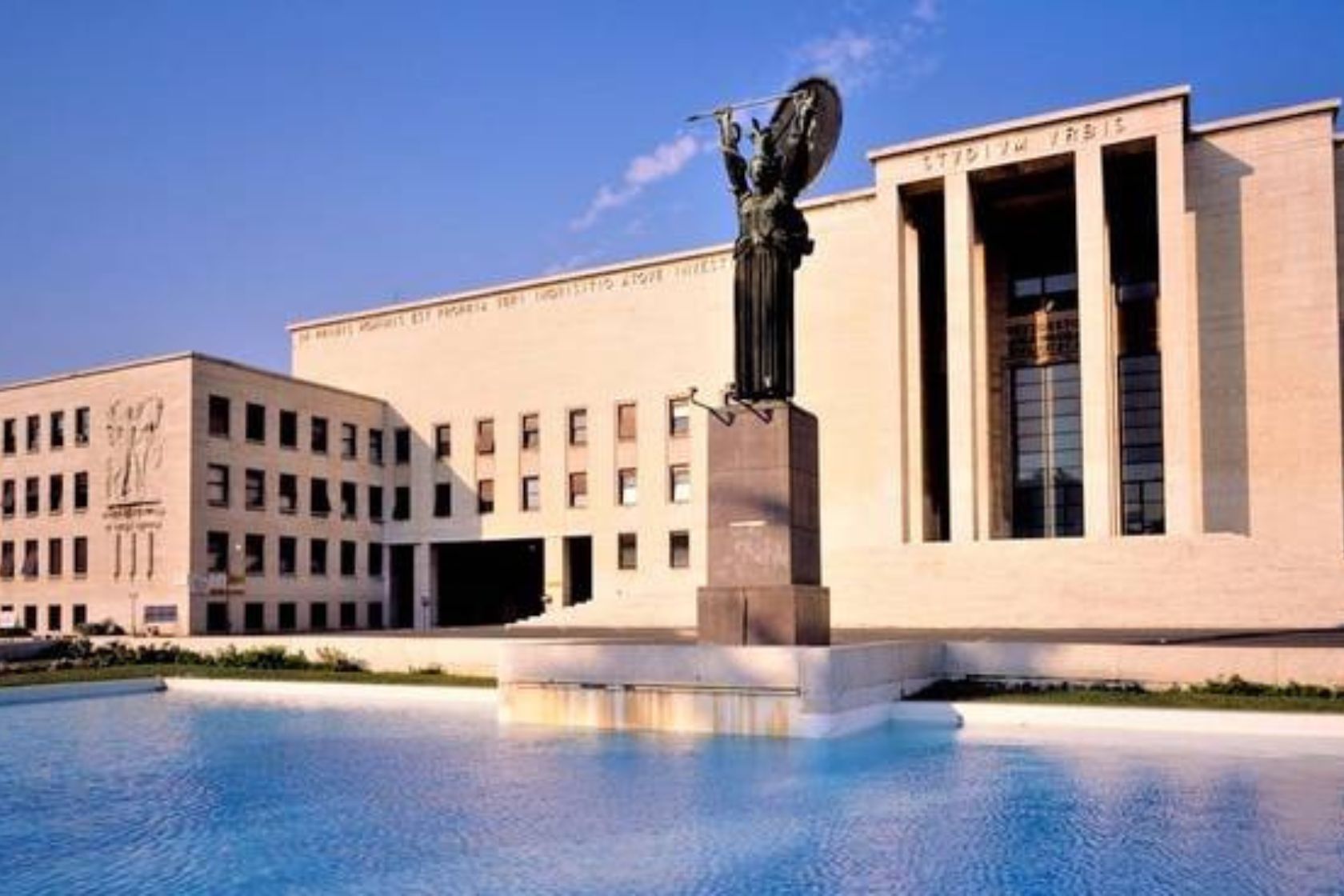
Sapienza Università di Roma
One of the largest universities in Europe, in the heart of Rome. Ranked number 1 in the world in several subjects (e.g. Classics). Strong in Sciences, Engineering, Medicine, Arts and Humanities. Very affordable through ISEE.
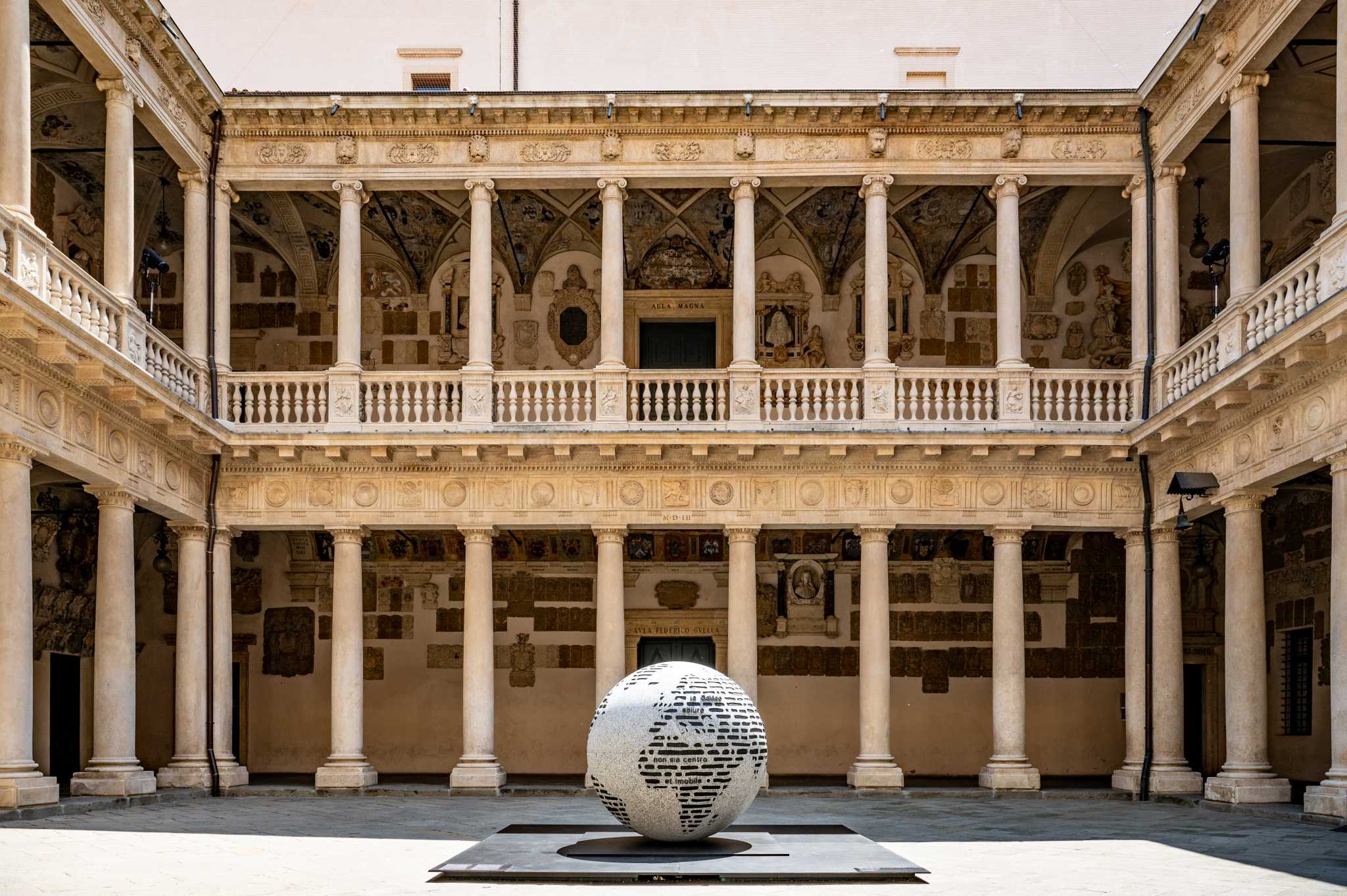
Università di Padova
One of the oldest and best research universities in Italy (founded 1222, Galileo taught here!). Strong in Medicine, Sciences, Psychology and Engineering. Programmes in English, a student city close to Venice.
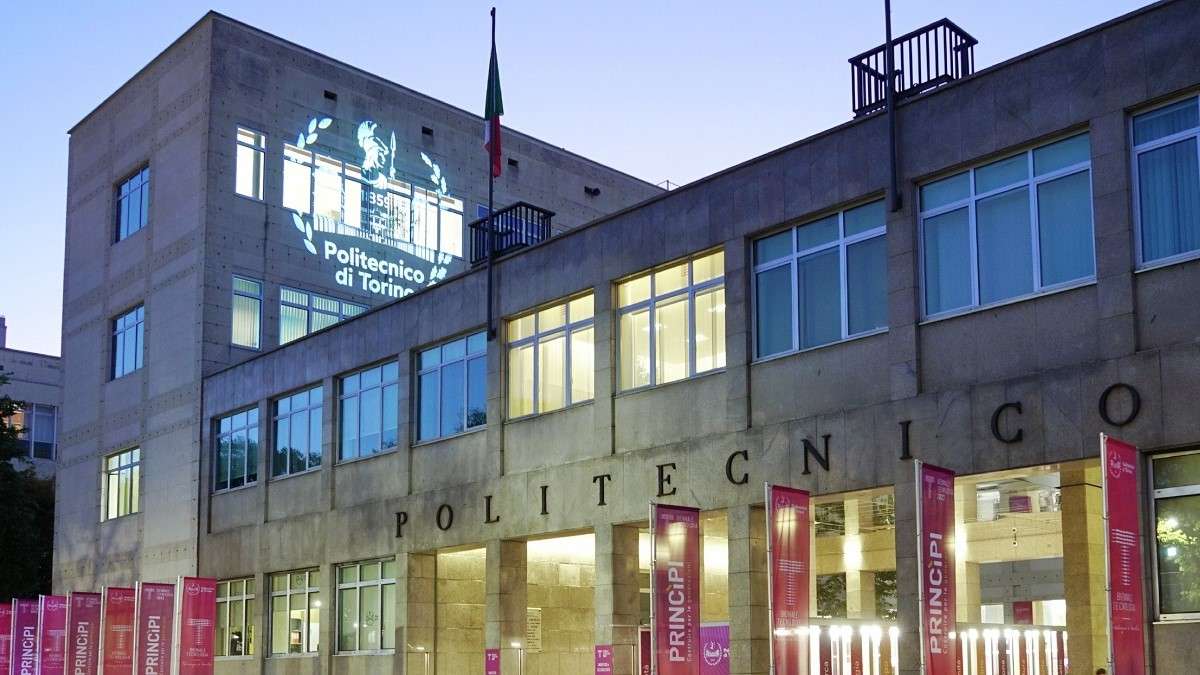
Politecnico di Torino
Italy's second technical university, top tier in European engineering. Strong in Engineering, Architecture, Automotive and Computer Engineering (strong industry ties, FIAT/Stellantis). Bachelor's in English in several programmes.
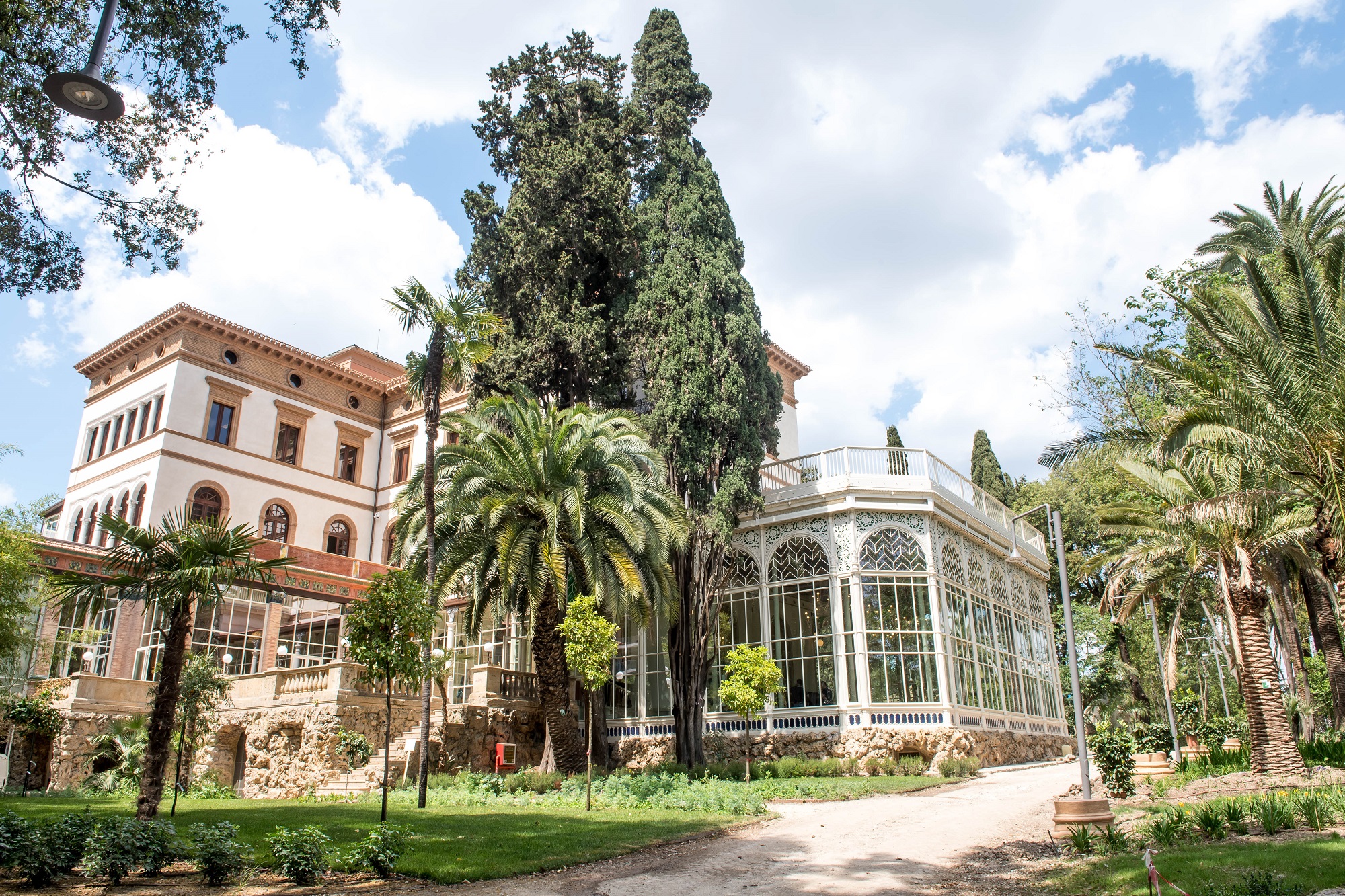
LUISS Guido Carli
Number 1 in Italy for Politics and International Relations (top 25 worldwide). An elite private university, strong in Political Science, Business, Economics and Law. Programmes in English, a powerful political and corporate network, excellent employability.
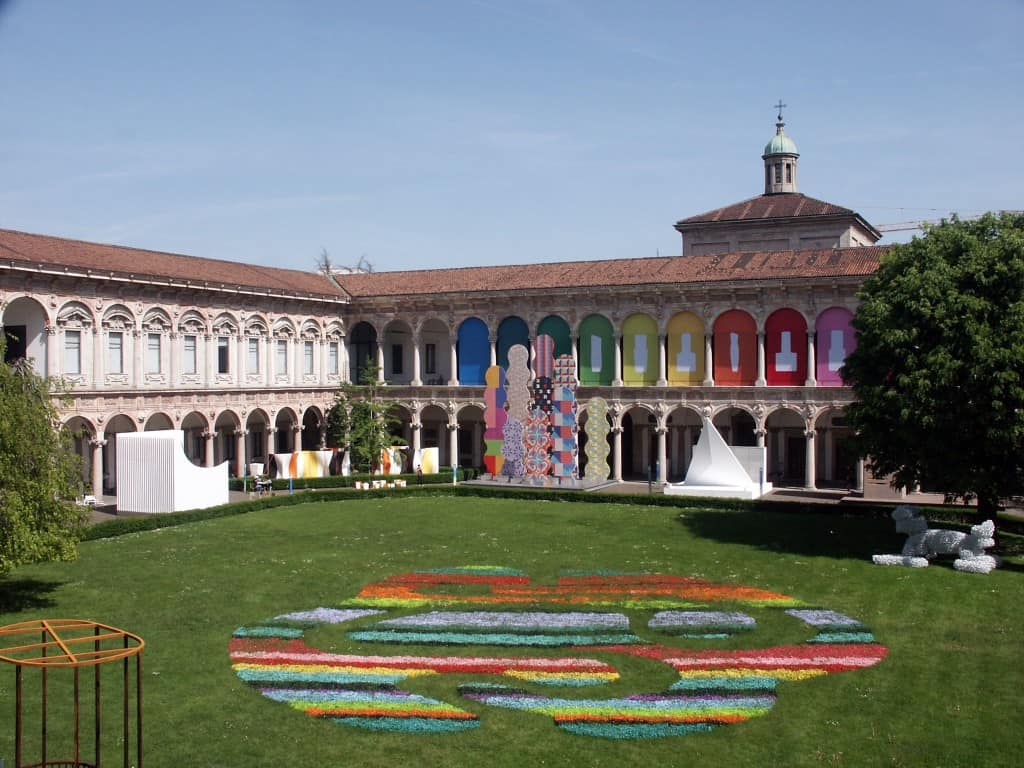
Università degli Studi di Milano (UniMi)
A large comprehensive public university in Milan. Strong in Medicine, Law, Sciences, Pharmacy and Humanities. Affordable ISEE fees (EUR 200-4,000 by income), a growing number of programmes in English, student life in Italy's economic capital.
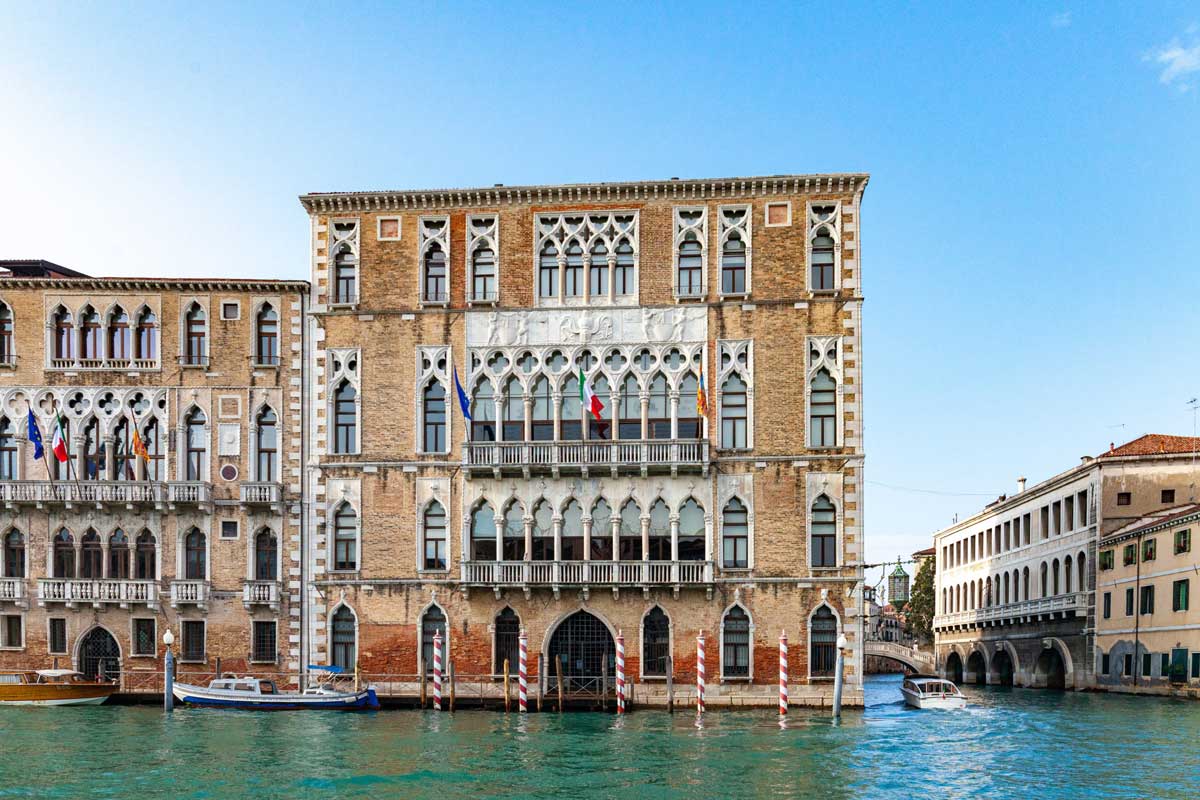
Ca' Foscari Venezia
An iconic public university, housed in a palace on the Grand Canal! Strong in Economics, Management, Languages, Humanities and International Relations. Programmes in English, a unique atmosphere, the museum-city of Venice.
How to apply in Italy
The process combines the national Universitaly portal with a direct application to the university. As an EU citizen, you benefit from EU fees and from the ISEE system for calculating the fee.
Choose public (ISEE) or private
At public universities (Politecnico, Bologna, Sapienza, Padova, Torino, UniMi, Ca' Foscari) you pay EU fees calculated through ISEE: between EUR 0 and EUR 4,000 per year. At private ones (Bocconi, LUISS) the fee is fixed and higher, but the same for everyone, with enormous global value.
Pre-enrolment on Universitaly
Almost all universities require pre-enrolment on the national Universitaly portal, where you choose your programme and upload your documents. In parallel, many universities also require a direct application on their own admissions portal.
Romanian Baccalaureate recognised
As an EU citizen, the Romanian Baccalaureate is recognised for admission. You will need your transcript and diploma translated, plus sometimes the dichiarazione di valore or recognition through ENIC-NARIC, depending on the university.
Language proof (EN or IT)
For programmes in English: aim for IELTS 6.0-6.5 or TOEFL 80+. For programmes in Italian: a CILS or CELI certificate (B2 level). Many universities also run their own language tests.
Admission tests and TOLC
Numerous programmes (engineering, economics, medicine) require the TOLC test (Test OnLine CISIA) or a university's own test. At Politecnico, Bocconi and in medicine the tests are competitive, so early preparation matters.
ISEE calculation and DSU scholarships
To get the reduced fee you submit your income documentation to receive the ISEE (or ISEE parificato, the version for families outside Italy). On top of that, the regions offer DSU scholarships with accommodation and meals for students on a low income.
Why study in Italy
Four advantages that make Italy a strong choice for Romanian students, especially thanks to EU citizen status.
EU fees through ISEE
As an EU citizen, at public universities the fee is calculated by family income (ISEE), not by nationality. A family with an average or low income can pay between EUR 0 and EUR 2,000 per year at a top university. The fees of EUR 15,000-25,000 per year appear only at private universities (Bocconi, LUISS), where they are fixed and the same for everyone. That makes Italy one of the best cost-to-quality opportunities in Europe.
Academic prestige with tradition
Bologna is the oldest university in the world (1088), and Politecnico di Milano has entered the QS top 100. Bocconi competes with HEC and LBS in business, LUISS is number 1 in Italy for Politics. A recognised Italian degree opens doors with employers, and for master's and doctoral study across Europe.
More than 600 programmes in English
You do not need to know Italian from day one: there are more than 600 programmes in English, concentrated at master's level but growing at bachelor's level too (Politecnico, Bocconi, LUISS, Torino). You can study in English and learn Italian alongside it, a bonus for your CV and everyday life.
Cost of living and quality of life
With EUR 700-1,100 per month you cover accommodation and living costs (Milan more expensive, the rest cheaper). Add the food, the climate, the culture and a central position in the EU that makes travel easy. The regions offer DSU scholarships with accommodation and meals for low-income students, which reduces the real cost even further.
Want to study in Italy?
We help you choose between public universities (low ISEE fees!) and world-class private ones, navigate the Universitaly portal and the ISEE system for reduced fees, find the right programmes in English and build a winning application. Our mentors have been through the process. The mentoring session is 100% free.
Talk to a mentorFrequently asked questions
What Romanian students and their parents ask most often about studying in Italy.
How much do Romanians pay at public universities in Italy?
At public universities the fee is calculated through the ISEE system for all students, by family income, exactly as it is for an Italian. In practice you pay between EUR 0 and EUR 4,000 per year, and a family with an average or low income can pay EUR 0-2,000 per year at a top university. The fees of EUR 15,000 to EUR 25,000 per year appear only at private universities (Bocconi, LUISS), where they are fixed and the same for everyone.
What is the ISEE system and how do I obtain it?
ISEE is the Italian indicator of a family's economic situation, used to set the reduced fee at public universities. For a family from Romania you use the ISEE parificato version, calculated by a tax assistance centre (CAF) based on the family's income and assets documents. The lower the declared income, the lower the annual fee, down to almost zero.
Is the Romanian Baccalaureate enough for admission in Italy?
Yes, the Romanian Baccalaureate is recognised for admission, as you are an EU citizen. You will need your diploma and transcript officially translated, plus sometimes the dichiarazione di valore or recognition through the ENIC-NARIC network, depending on the university. Many competitive programmes (engineering, economics, medicine) additionally require an admission test such as TOLC or a university's own test.
Can I study in Italy without knowing Italian?
Yes. There are more than 600 programmes in English, concentrated at master's level but growing at bachelor's level too (Politecnico di Milano, Bocconi, LUISS, Politecnico di Torino). For these you need proof of English (aim for IELTS 6.0-6.5 or TOEFL 80+). For programmes in Italian you need a CILS or CELI certificate at B2 level. Our recommendation: even if you study in English, learn Italian alongside it for everyday life.
How do I apply: through Universitaly or directly with the university?
Usually both. Almost all universities require pre-enrolment on the national Universitaly portal, where you choose your programme and upload the basic documents. In parallel, many universities also have their own admissions portal where you submit the full application, pay the application fee and schedule any tests. Always check the university's official website for the exact steps and deadlines.
How much does student life cost in Italy?
On average EUR 700-1,100 per month for accommodation and living, depending on the city. Milan is the most expensive, while Bologna, Padua, Turin or Rome are more affordable. On top of this comes the tuition fee (low at public universities through ISEE), but also the option to significantly reduce expenses through regional DSU scholarships, which can include accommodation and meals for low-income students.
What is the difference between Italian public and private universities?
At public universities (Politecnico di Milano, Bologna, Sapienza, Padova, Torino, UniMi, Ca' Foscari) you pay EU fees through ISEE (EUR 0-4,000 per year) and have access to strong research and engineering programmes. At private ones (Bocconi, LUISS) the fee is fixed and higher (EUR 12,000-16,000+ per year) and the same for everyone, but you get a global corporate network, programmes predominantly in English and very high employability. The choice depends on your field, your budget and your career goals.
Are there scholarships for Romanian students in Italy?
Yes. In addition to the fee already reduced through ISEE at public universities, the Italian regions offer DSU scholarships (diritto allo studio) based on income and merit, which can cover accommodation, meals and a monthly stipend. Private universities such as Bocconi and LUISS have their own merit-based and need-based scholarship schemes. As an EU citizen you have access to the same scholarships as an Italian student, which makes the real cost of studying very competitive.
Our mentors from Europe
They studied at Bocconi, Sciences Po, TU Delft, ETH Zurich and other top EU universities. Now they guide you.


