
Study in Germany
Five universities in the global top 100, Europe's industrial powerhouse and public education that is practically free. For a Romanian, one of the best educations in the world at almost zero cost.
Germany is one of the strongest study destinations in Europe: five universities in the QS 2026 top 100, the largest economy in Europe with direct links between universities and industry (BMW, Siemens, SAP, Bosch), plus a unique edge, public education is practically free. Add an 18-month post-graduation work visa and a fast track to permanent residence and you understand why more than 400,000 international students choose Germany.
For Romanian students, the advantage is twofold. First, at German public universities you pay no tuition fees, only a semester contribution of 150 to 350 EUR (Semesterbeitrag, which often includes a transport pass). Second, there is a specific EU advantage: in the state of Baden-Wurttemberg (home to Heidelberg, KIT, Freiburg, Tubingen) non-European students pay 1,500 EUR per semester, but you as a Romanian study for free there too. Note: many bachelor's programs are in German (B2/C1 level required), but the number of English-taught bachelor's degrees is growing. You apply through uni-assist or directly to the university.
The EU advantage for Romanians
In Germany, public education is free for everyone (only the semester contribution). But there is a specific EU advantage in the state of Baden-Wurttemberg, home to universities such as Heidelberg, KIT, Freiburg and Tubingen: here a non-European student pays 1,500 EUR per semester, while you as an EU citizen study for free. In practice, you get access to some of the best universities in the world for a cost of a few hundred euros per year, precisely because you are Romanian, and therefore a citizen of the European Union.
Recommended universities in Germany
Nine elite public universities selected for Romanians (all practically free!). Munich, Berlin, Heidelberg, Aachen, Karlsruhe, Freiburg and Tubingen. The ones marked are in Baden-Wurttemberg (free for you as an EU citizen).
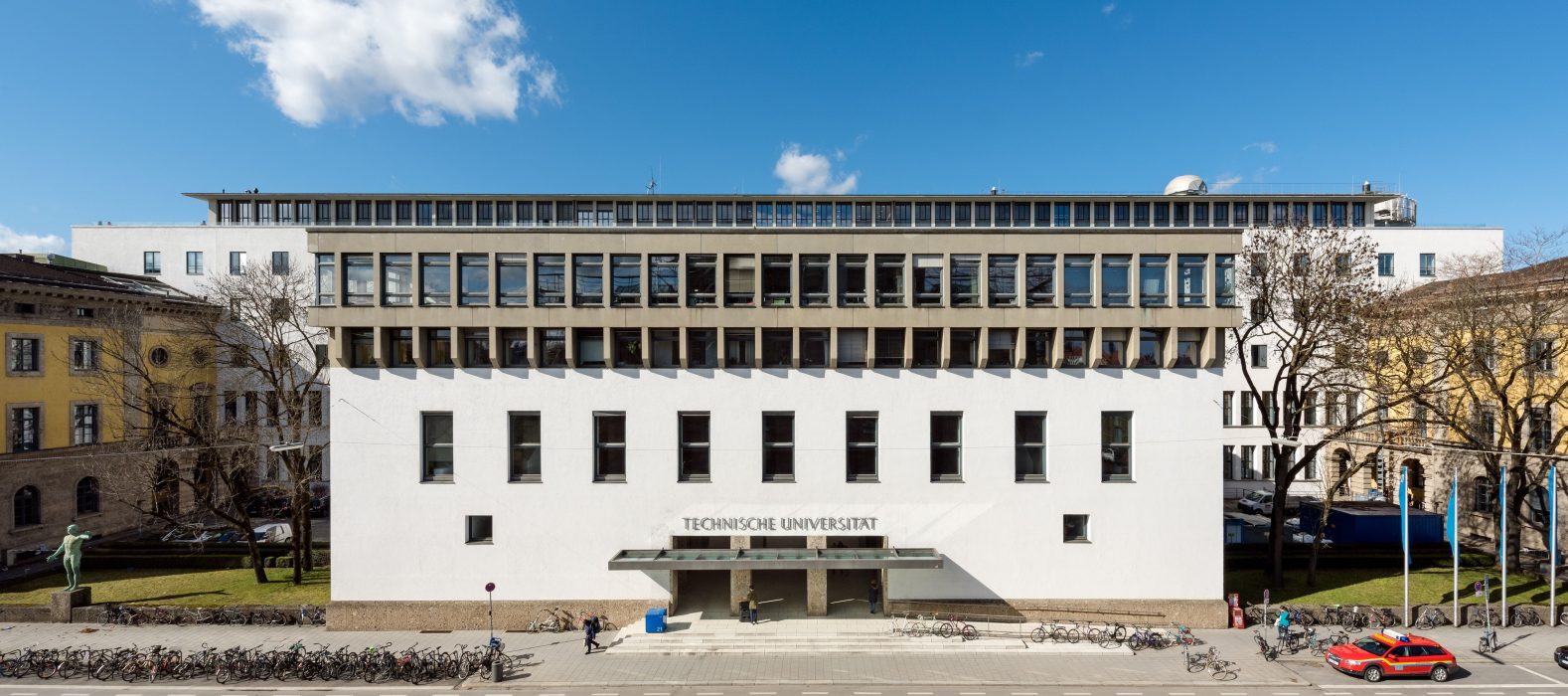
Technical University of Munich (TUM)
Number 1 in Germany and a global powerhouse. Strong in Engineering, Computer Science, AI and Natural Sciences. Links with BMW, Siemens, SAP, an entrepreneurial ecosystem (Celonis, Flixbus). English-taught bachelor's, the highest graduate salaries in Germany.
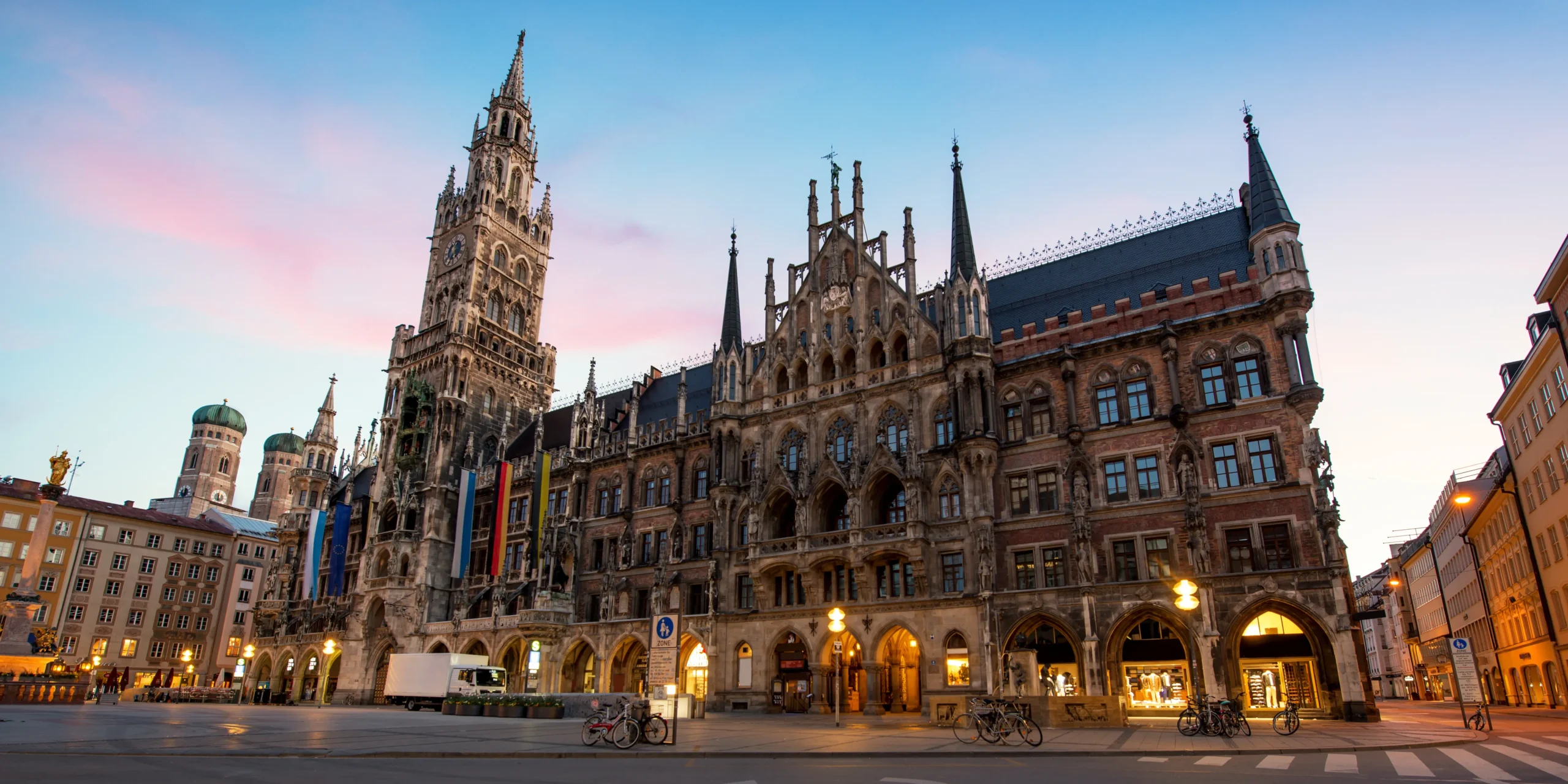
LMU Munich
Ludwig Maximilian, one of the most prestigious comprehensive universities in Germany. Strong in Medicine, Sciences, Law, Economics and Humanities. A perfect score on industry links, many affiliated Nobel laureates, in the heart of Munich.
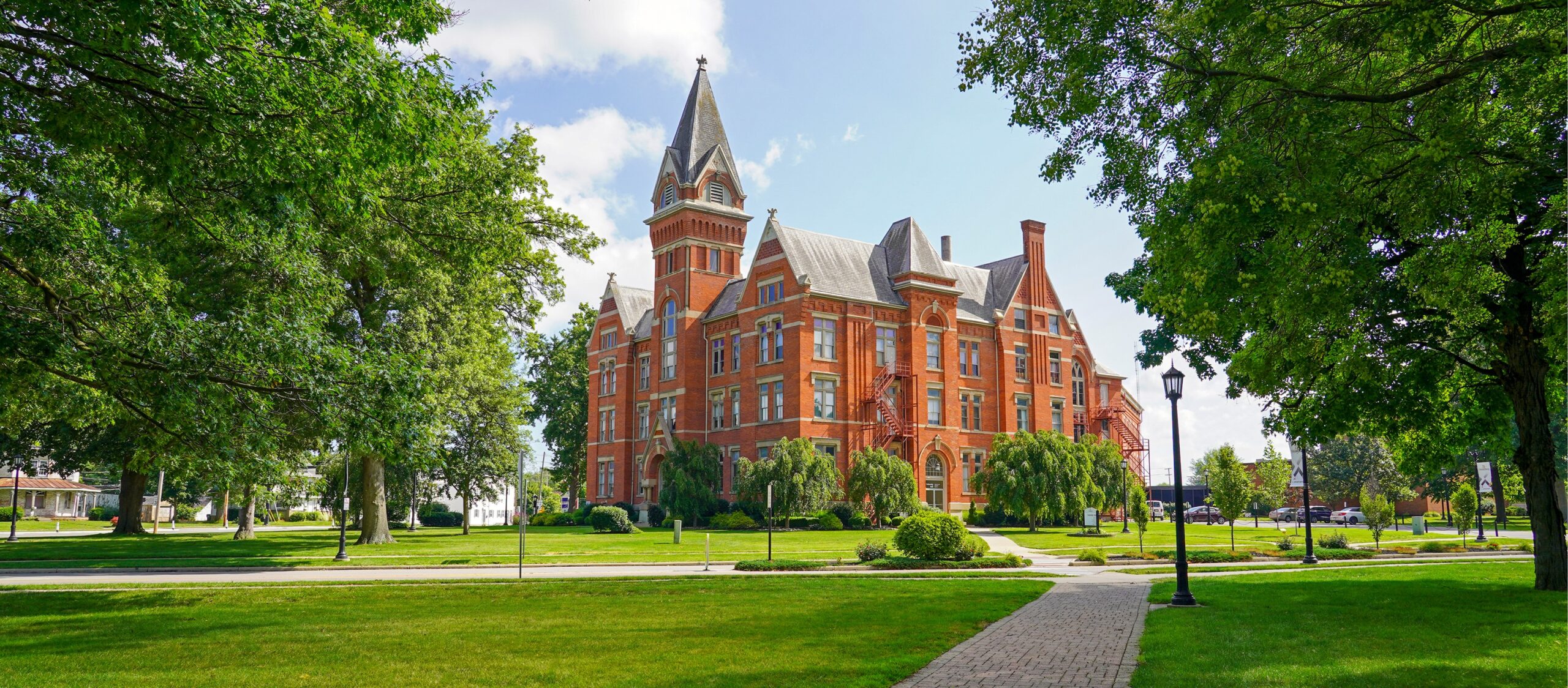
Heidelberg University
The oldest university in Germany (founded 1386)! World-class elite research, strong in Medicine, Life Sciences, Physics and Humanities. A picturesque student town. Free for you as an EU citizen (non-EU pay 1,500 EUR/sem).
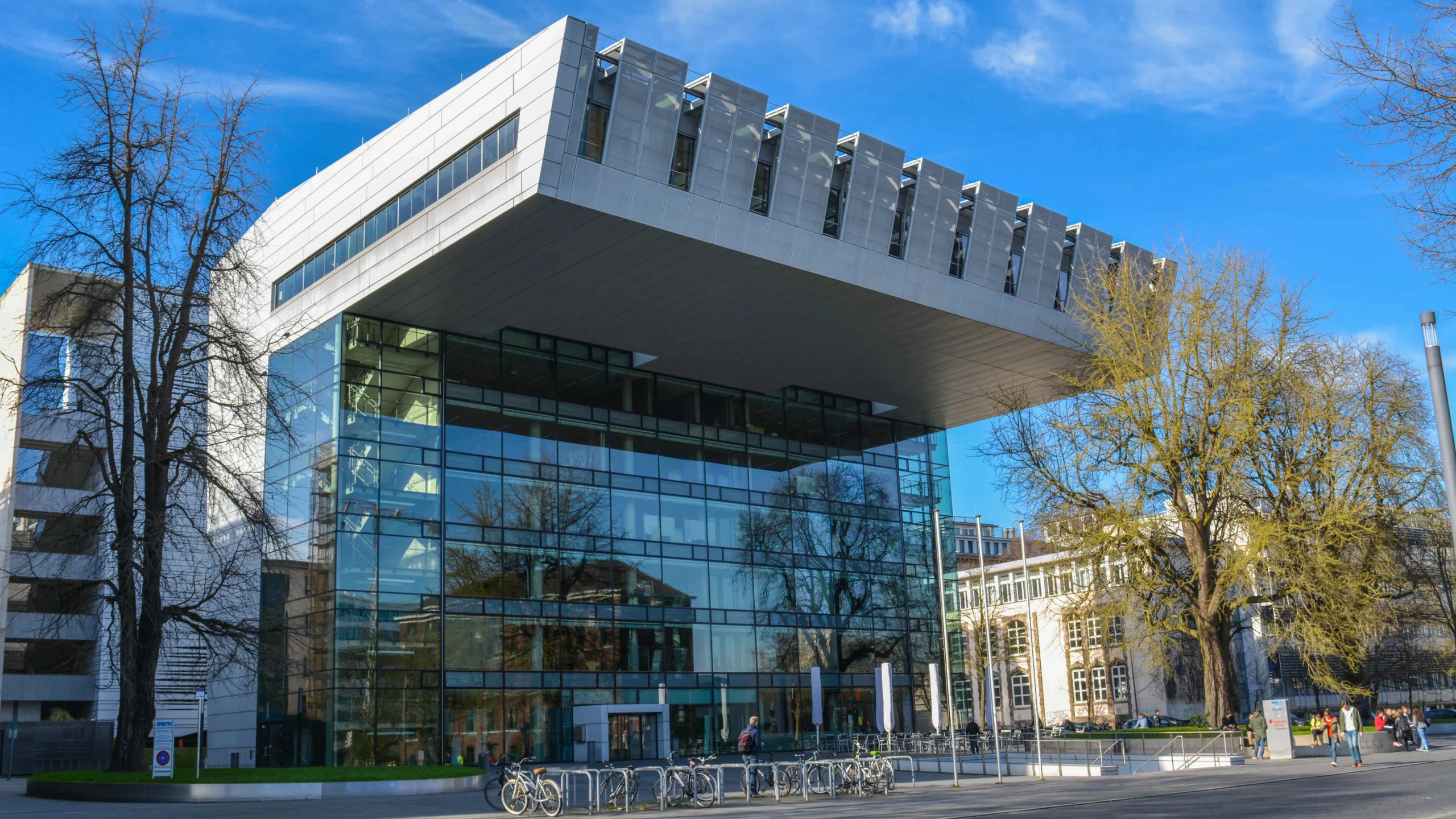
RWTH Aachen
One of the best engineering universities in Europe (a TU9 member). Strong in Mechanical Engineering, Electrical Engineering, Computer Science and Automotive. Very strong links with German industry, a hub for applied research.
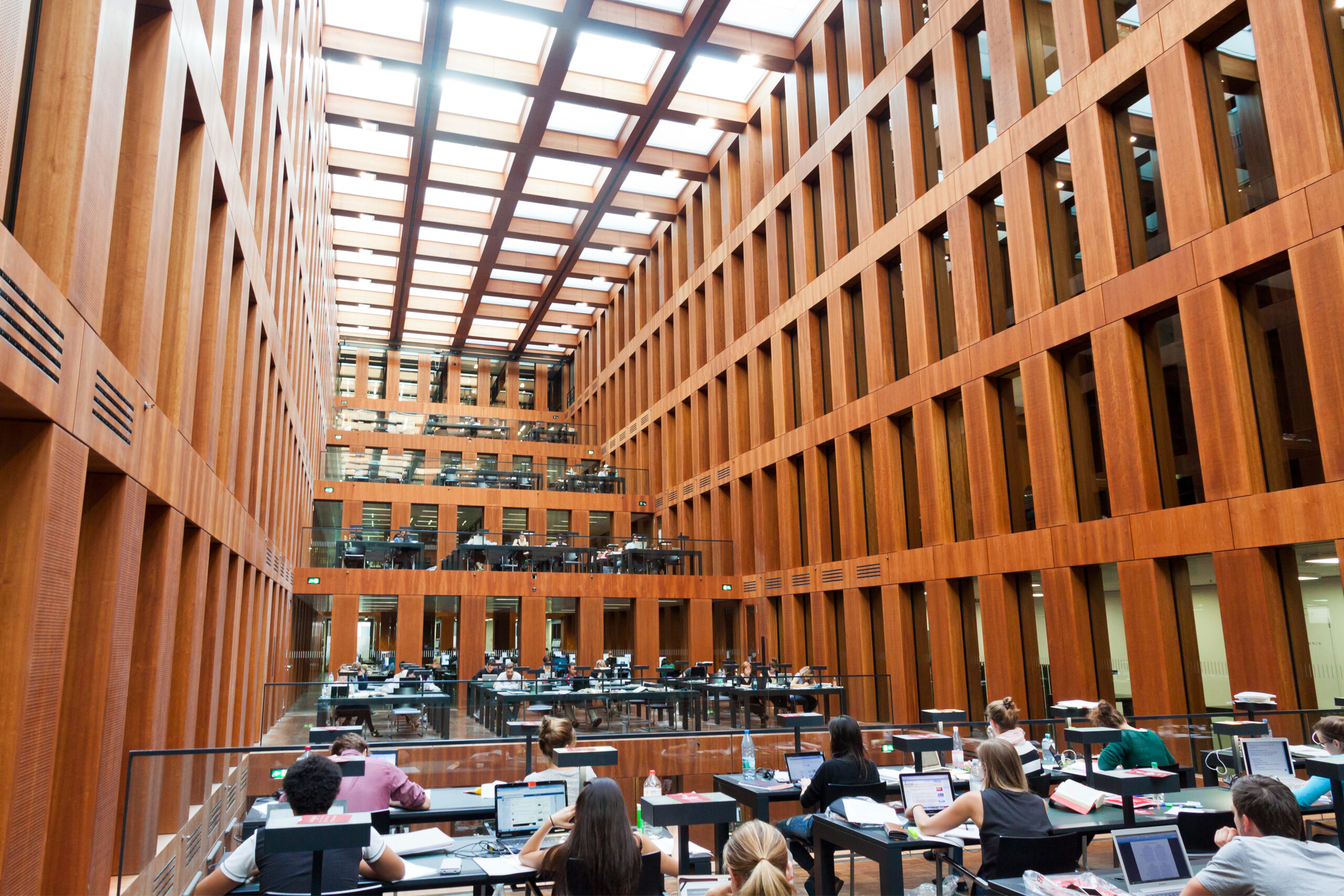
Humboldt-Universität zu Berlin
The best university in Berlin, with a legendary academic tradition (57 affiliated Nobel laureates, the model for the modern university!). Strong in Humanities, Social Sciences, Law and Sciences. Berlin offers a reasonable cost of living and a vibrant cultural scene.
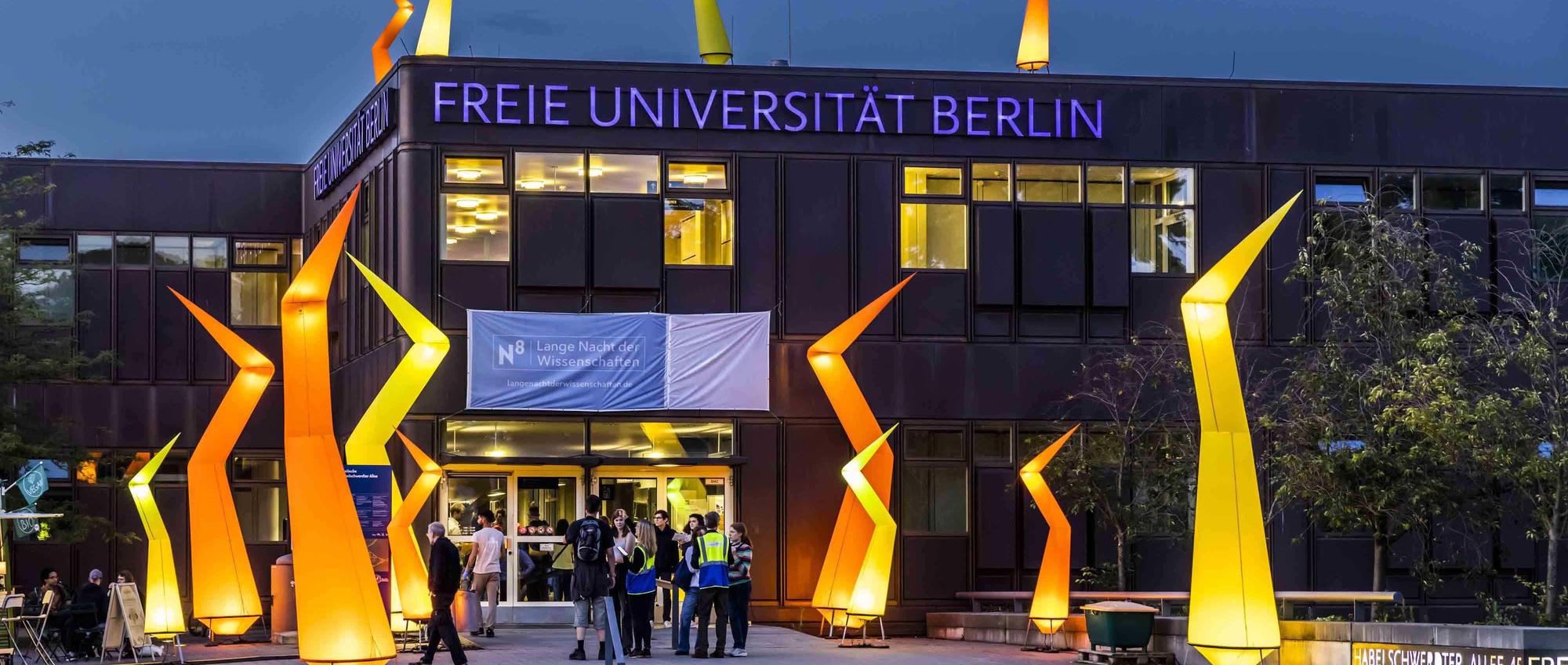
Freie Universität Berlin (FU)
One of the three big universities in Berlin, research-intensive and an Excellence University. Strong in Political Science, Social Sciences, Humanities and Life Sciences. Over 150 programs, a strong international community in Germany's capital.
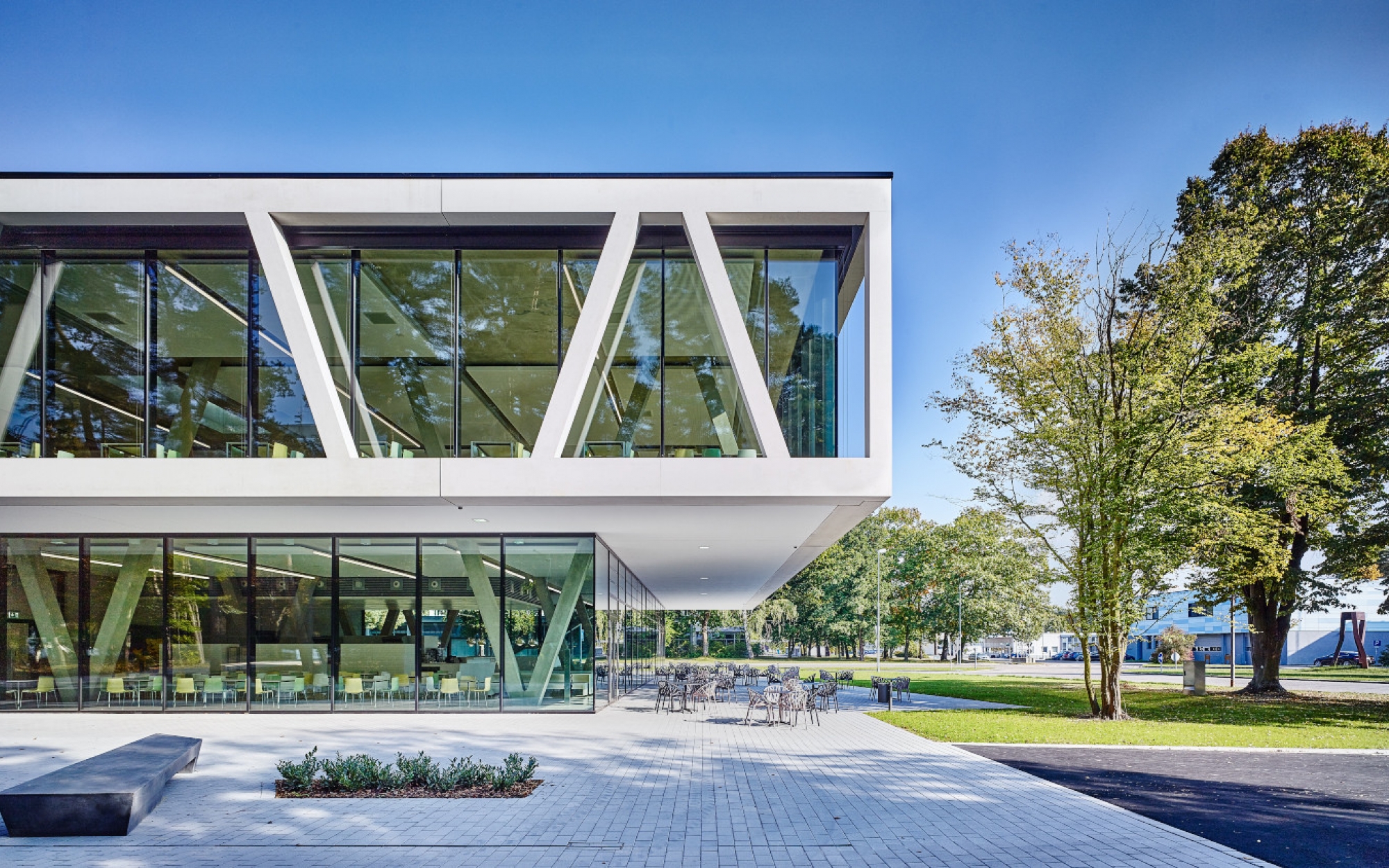
KIT (Karlsruhe Institute of Technology)
One of the best technical universities in Germany (a TU9 member), nicknamed "the German MIT". Strong in Engineering, Computer Science, Physics and Energy. Free for you as an EU citizen (non-EU pay 1,500 EUR/sem).
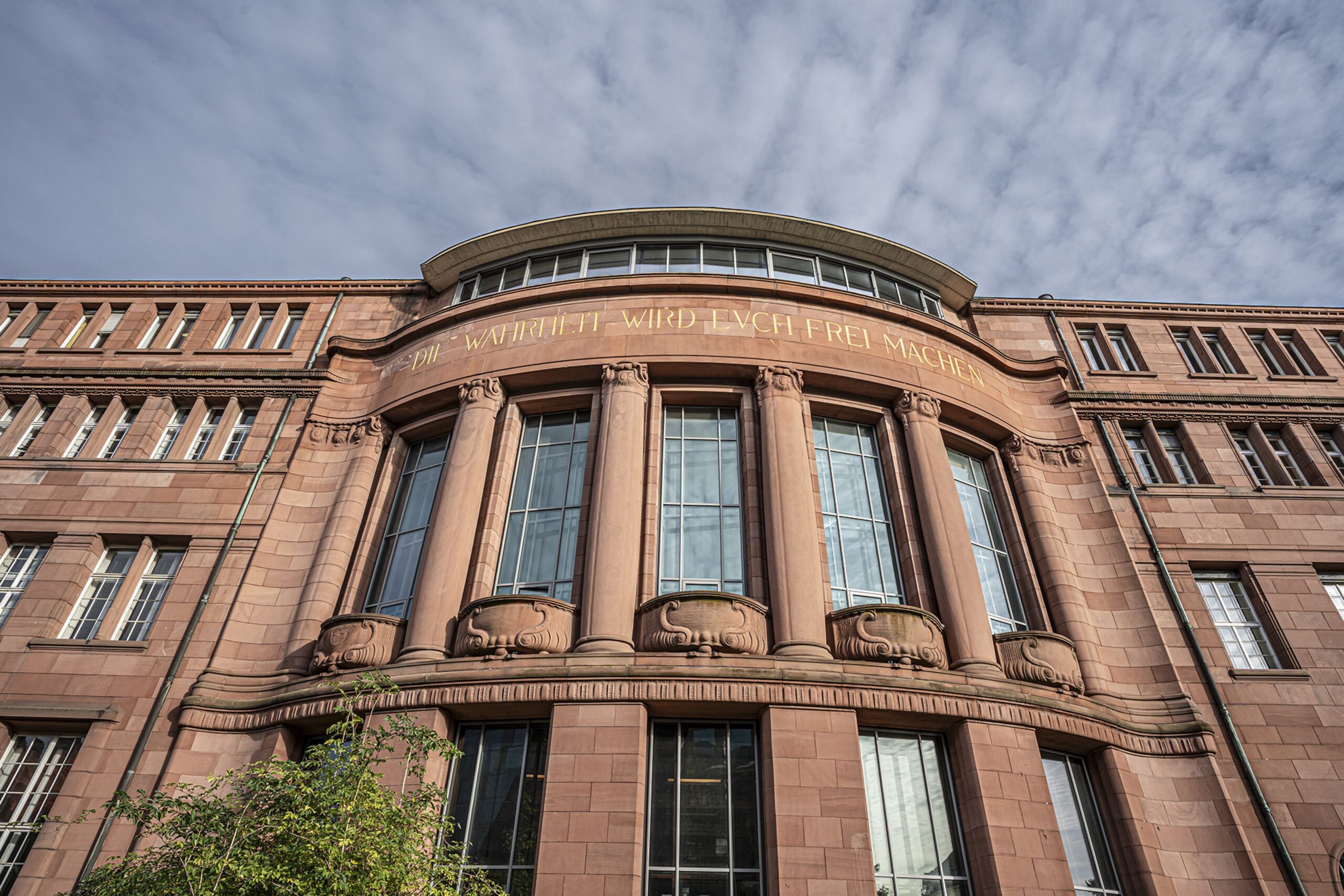
University of Freiburg
A classic research university with tradition (founded 1457), strong in Medicine, Life Sciences, Physics and Humanities. A student town in the Black Forest, excellent quality of life. Free for you as an EU citizen (non-EU pay 1,500 EUR/sem).
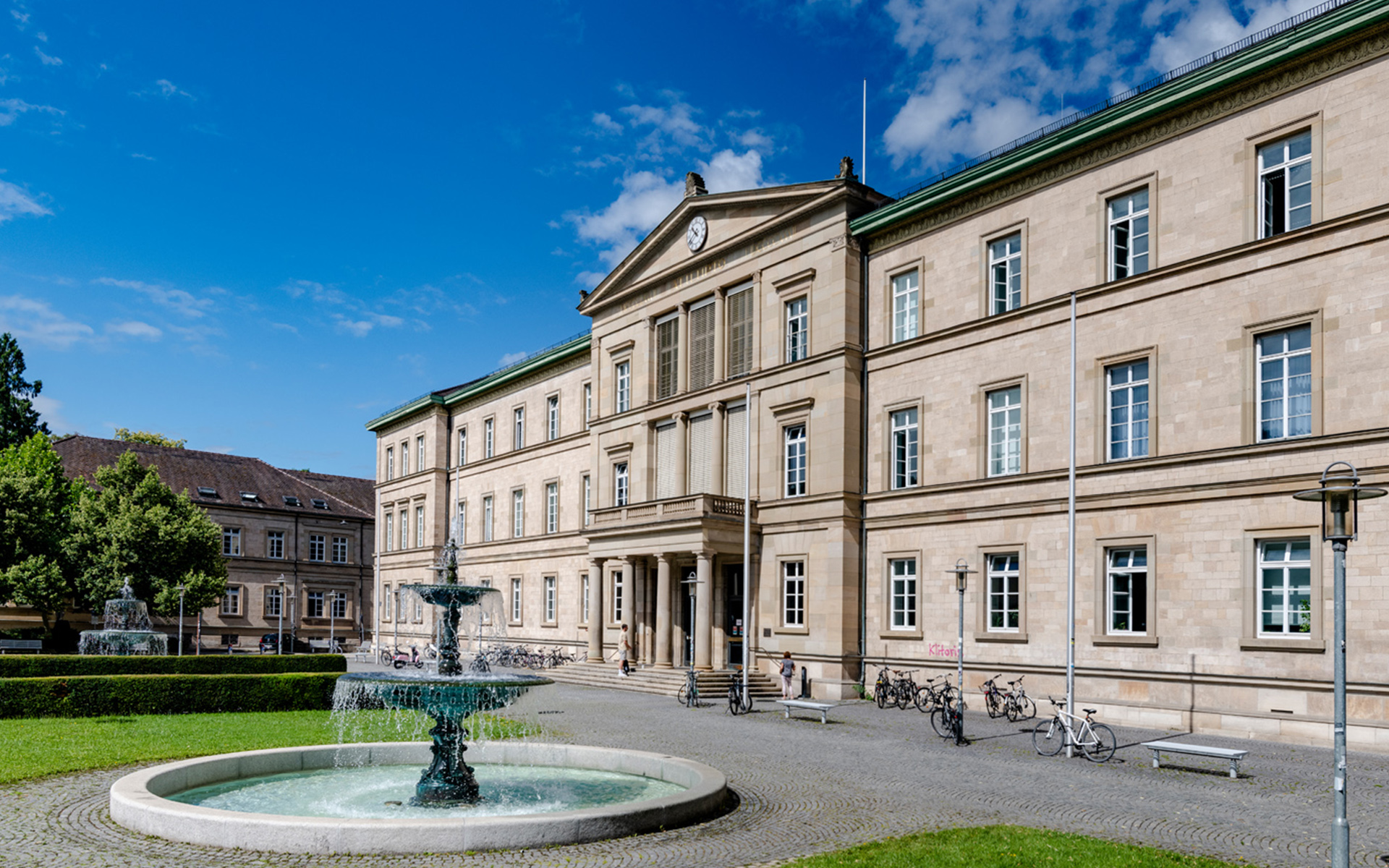
University of Tübingen
A classic elite university (founded 1477), a European hub for AI and Machine Learning (Cyber Valley!), plus strong in Medicine, Sciences and Humanities. A picturesque medieval student town. Free for you as an EU citizen (non-EU pay 1,500 EUR/sem).
Want to study in Germany?
We help you navigate uni-assist, decide between English or German programs, prepare for the language test (if needed) and make the most of the EU advantage in Baden-Wurttemberg where you study for free. Our mentors have been through the process. The mentoring session is 100% free.
Talk to a mentorFrequently asked questions
What Romanian students and their parents ask most often about studying in Germany.
How much do studies in Germany cost for a Romanian?
At German public universities you pay no tuition fees, regardless of nationality. The only mandatory cost is the semester contribution (Semesterbeitrag) of 150 to 350 EUR, which usually also includes a public transport pass. In practice, a year of study costs you a few hundred euros in administrative fees. On top of that comes the cost of living, typically 900 to 1,200 EUR per month, higher in Munich and lower in cities such as Aachen, Freiburg or Tubingen.
Why is Baden-Wurttemberg free for Romanians but not for non-EU students?
The state of Baden-Wurttemberg (home to Heidelberg, KIT, Freiburg and Tubingen) introduced a fee of 1,500 EUR per semester for students from outside the European Union. As a Romanian citizen, you are an EU citizen, so you are completely exempt from this fee and study for free (just the Semesterbeitrag of a few hundred euros). This is a direct benefit of European citizenship: you get access to universities such as Heidelberg at a cost 3,000 EUR per year lower than a student from outside the EU.
Can I study in Germany without knowing German?
Yes, but it depends on the program. The number of English-taught bachelor's degrees is growing (over 200 programs, especially at TUM and in technical fields), and at master's level there are over 2,000 programs in English. Still, many bachelor's programs are still in German and require a B2 or C1 level (TestDaF or DSH test). If you want an English-taught bachelor's, you have real options; if you are aiming for a German-taught program, plan your language courses well ahead.
What is uni-assist and how do I apply to a German university?
uni-assist is the centralized platform through which many German universities process international applications: it checks your diploma, calculates grade equivalence and forwards your file further. Some universities accept direct applications on their own portal. In practice: you check whether your university uses uni-assist or direct applications, upload your Baccalaureate diploma and transcript, your language certificate and the required documents. Typical deadlines are 15 July for the winter semester and 15 January for the summer one.
Is the Romanian Baccalaureate accepted for admission in Germany?
Yes. The Baccalaureate diploma from Romania is recognized for admission to German universities. In many cases you get direct access to a bachelor's; for certain profile or grade combinations, some universities may require a year of Studienkolleg (a preparatory program) or a minimum Baccalaureate average. Grade equivalence is usually done through uni-assist. Besides the diploma, your language level matters (German B2/C1 or English, depending on the program).
Which German university is the best for engineering or IT?
For engineering, computer science and AI, the main choices are TUM (Technical University of Munich), number 1 in Germany with direct links to BMW, Siemens and SAP, RWTH Aachen and KIT, both members of the TU9 group of technical universities. For AI and Machine Learning, Tubingen hosts Cyber Valley, one of the largest AI research hubs in Europe. TUM also offers an English-taught bachelor's, which makes it accessible without advanced German.
Can I stay in Germany to work after graduation?
Yes. After graduation, as an EU citizen you have the right to stay and work in Germany without a visa. Students from outside the EU receive an 18-month job-search visa; you, as a Romanian, have full access to the labor market from day one, with no restrictions. Germany has an acute need for graduates in engineering, IT and healthcare, and starting salaries for graduates from TUM or RWTH are among the highest in Europe.
How much does student life in Germany cost?
The typical cost of living is 900 to 1,200 EUR per month, including accommodation, food, transport and health insurance. Munich is the most expensive city, while Aachen, Karlsruhe, Freiburg and Tubingen are noticeably more affordable. Health insurance for students costs around 120 EUR per month. As a student you have the right to work part-time, and the transport pass is often included in the semester contribution, which reduces costs.
Our mentors from Europe
They studied at Bocconi, Sciences Po, TU Delft, ETH Zurich and other top EU universities. Now they guide you.


