
The top 15 non-Ivy universities
MIT, Stanford, Caltech, UC Berkeley and the rest of America's elite universities. Just as prestigious as the Ivy League, often even more selective.
The top non-Ivy universities are not a step down. In many cases they are more selective than the Ivy League. MIT, Stanford and Caltech have admission rates between 2 and 5 percent, lower than most Ivy universities. What sets them apart: deep specialisation (MIT for engineering, Stanford for tech entrepreneurship, Johns Hopkins for medicine), real geographic diversity (West Coast, Midwest, South) and the presence of the best public universities in the world (UC Berkeley, UCLA, Michigan).
For Romanian students, the key part: MIT is the only university on this list that is need-blind for international students (it does not penalise you at admission for being unable to afford the costs and covers 100% of demonstrated financial need). Stanford, Duke, Vanderbilt, JHU, Northwestern and Rice are need-aware for internationals but offer generous scholarship packages to admitted Romanians. The standard application goes through the Common App for 14 of the 15 universities; MIT uses its own MyMIT portal. The Romanian Baccalaureate is accepted, with emphasis on the SAT/ACT score (many top schools have brought back the mandatory requirement for 2025-26).
The 15 universities
Our top non-Ivy selection. It covers the whole of the USA, from specialised STEM to liberal arts and business.
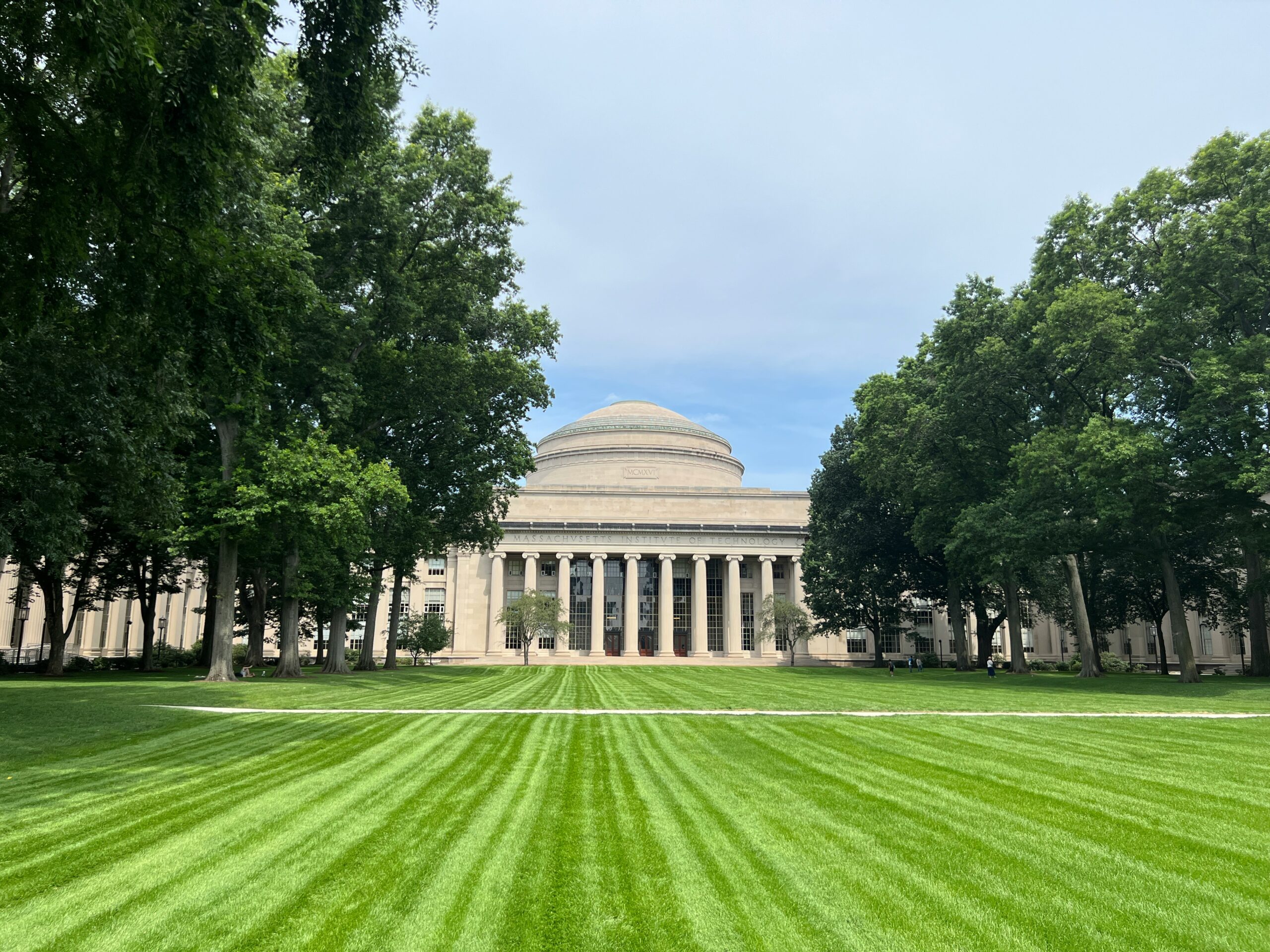
MIT
📍 Cambridge, MA
✓ Need-blind internationals- Engineering
- CS
- Physics
- AI
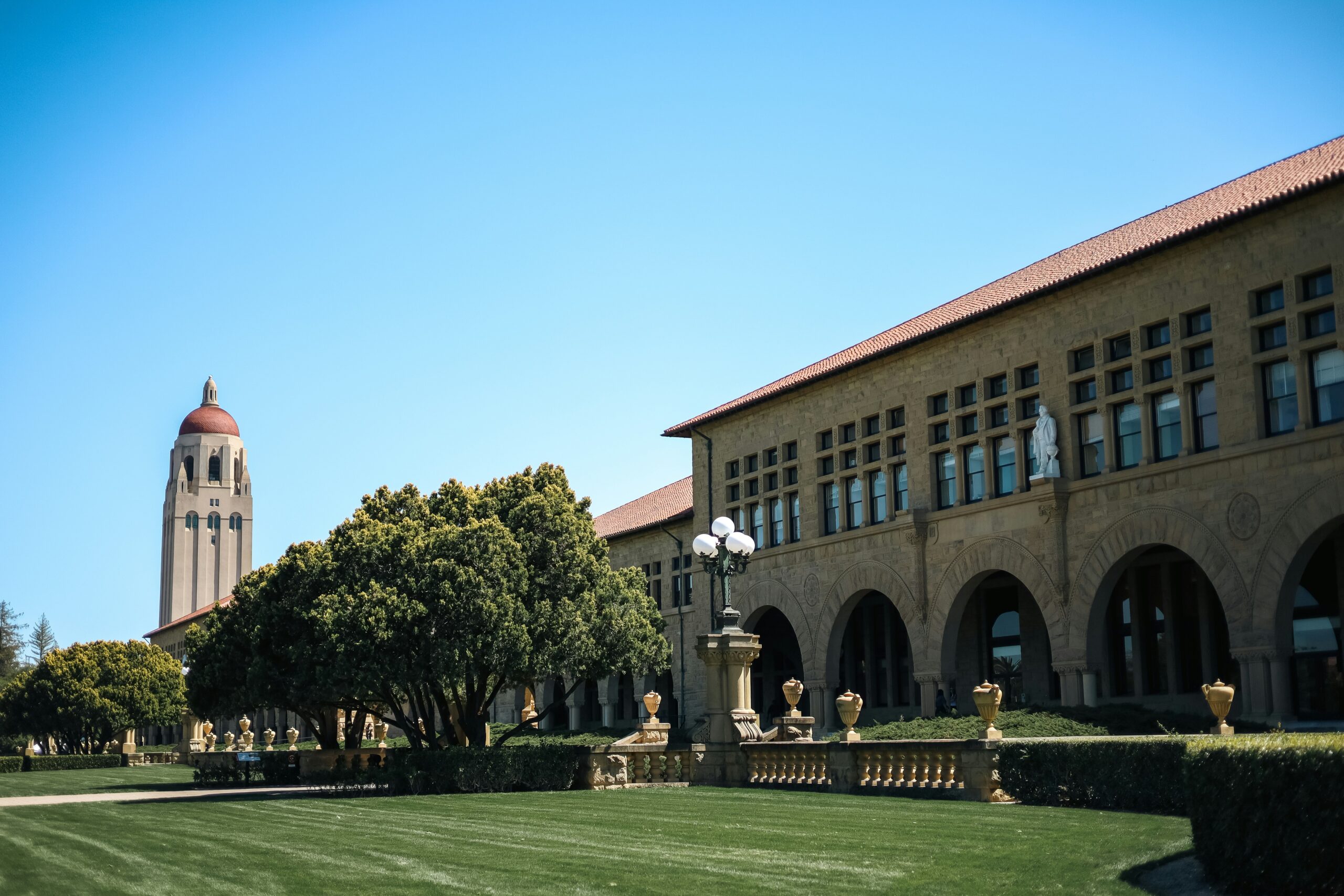
Stanford University
📍 Stanford, CA
⚠ Need-aware internationals- CS
- Business
- Engineering
- Medicine
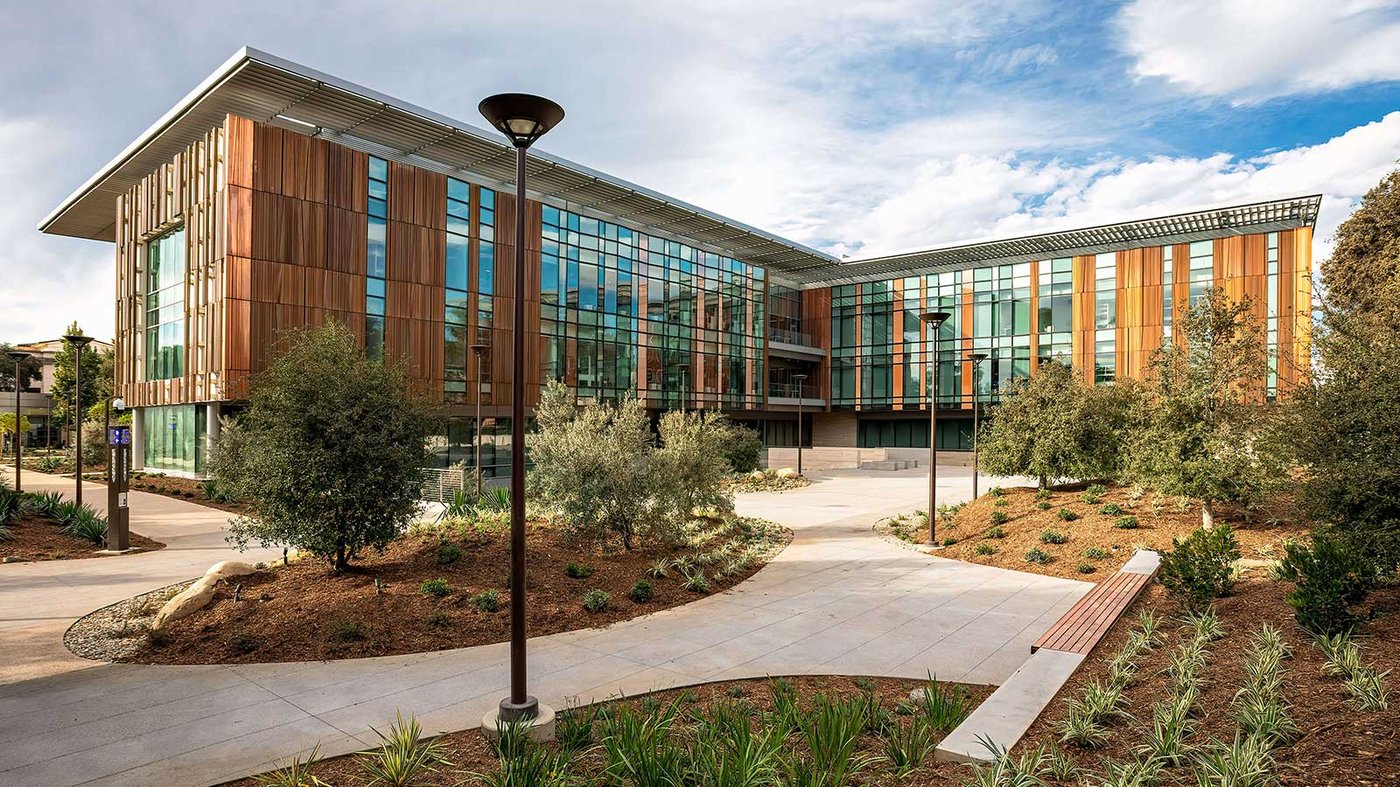
Caltech
📍 Pasadena, CA
⚠ Need-aware internationals- Physics
- Astronomy
- Math
- Engineering
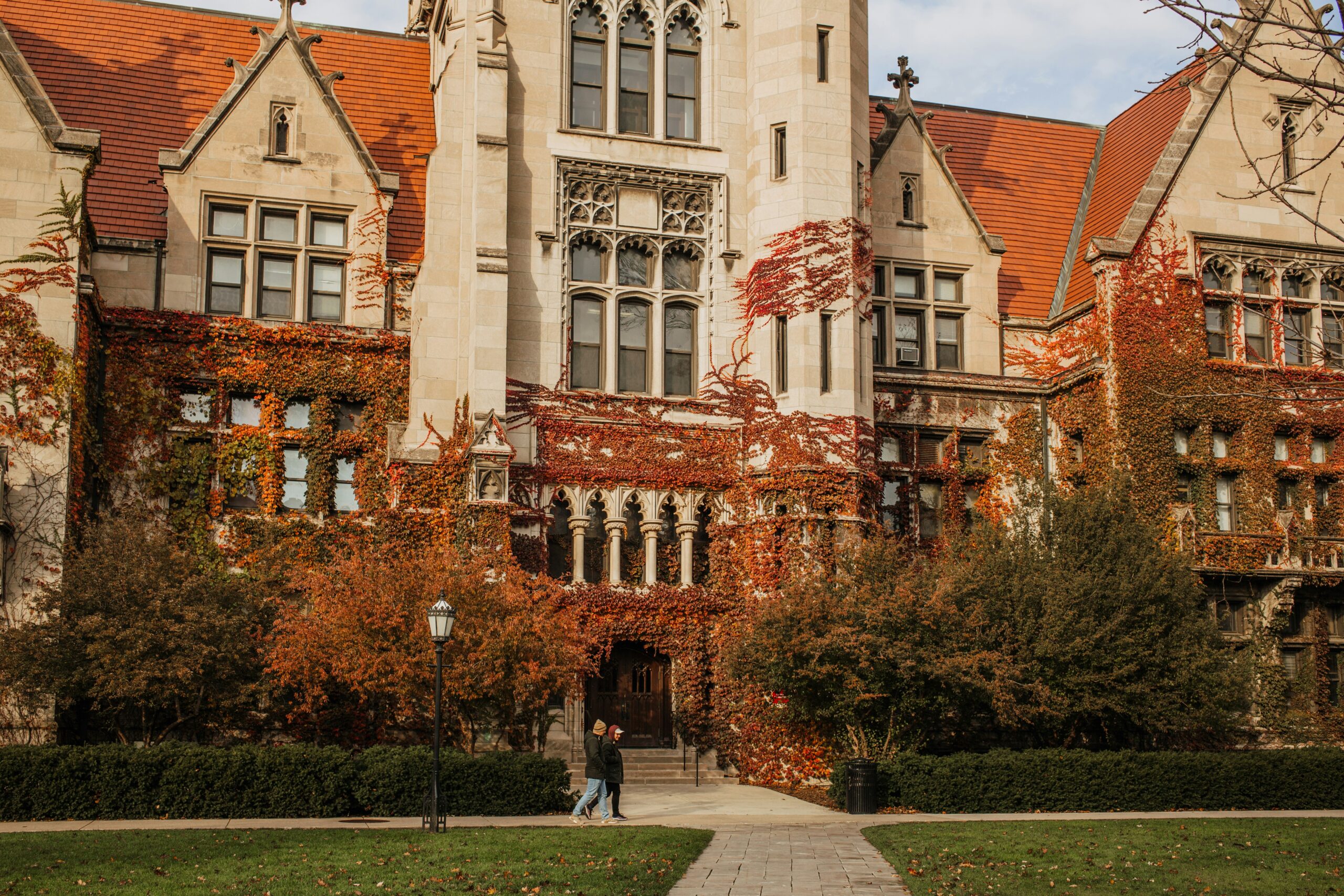
University of Chicago
📍 Chicago, IL
⚠ Need-aware internationals- Economics
- Math
- Philosophy
- Public Policy
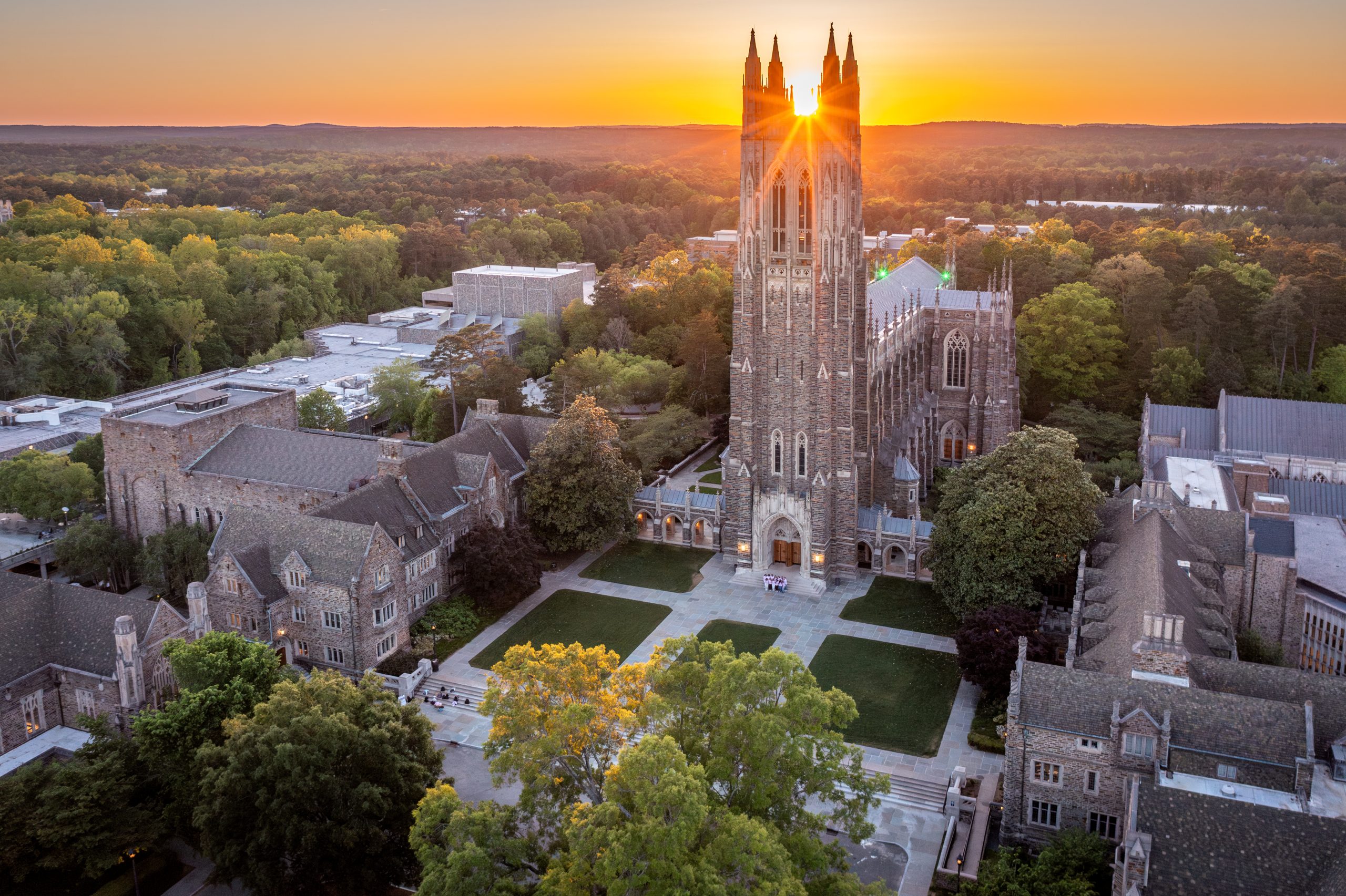
Duke University
📍 Durham, NC
⚠ Need-aware internationals- Public Policy
- Engineering
- Biology
- Business
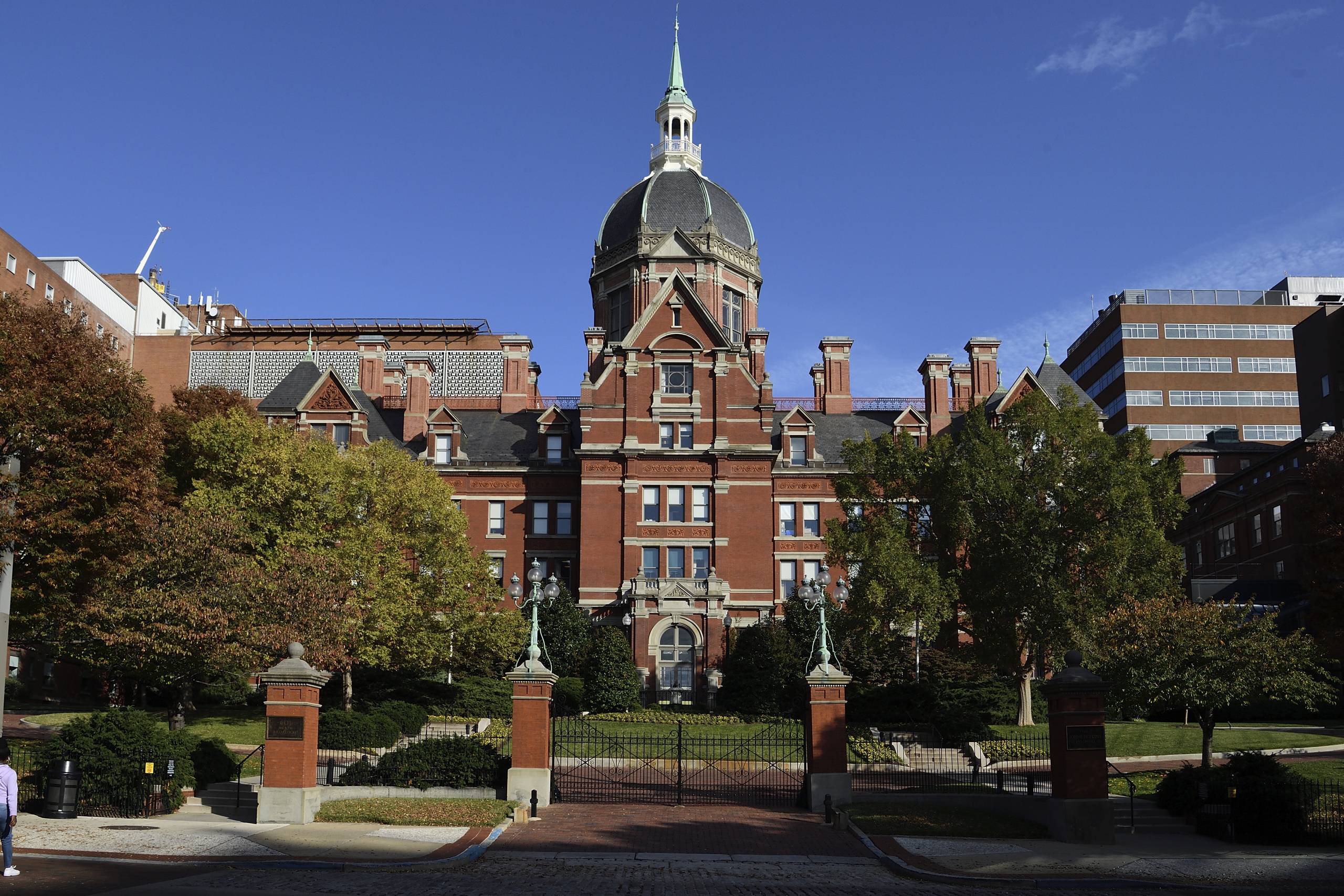
Johns Hopkins
📍 Baltimore, MD
⚠ Need-aware internationals- Medicine
- Public Health
- IR
- Biomedical
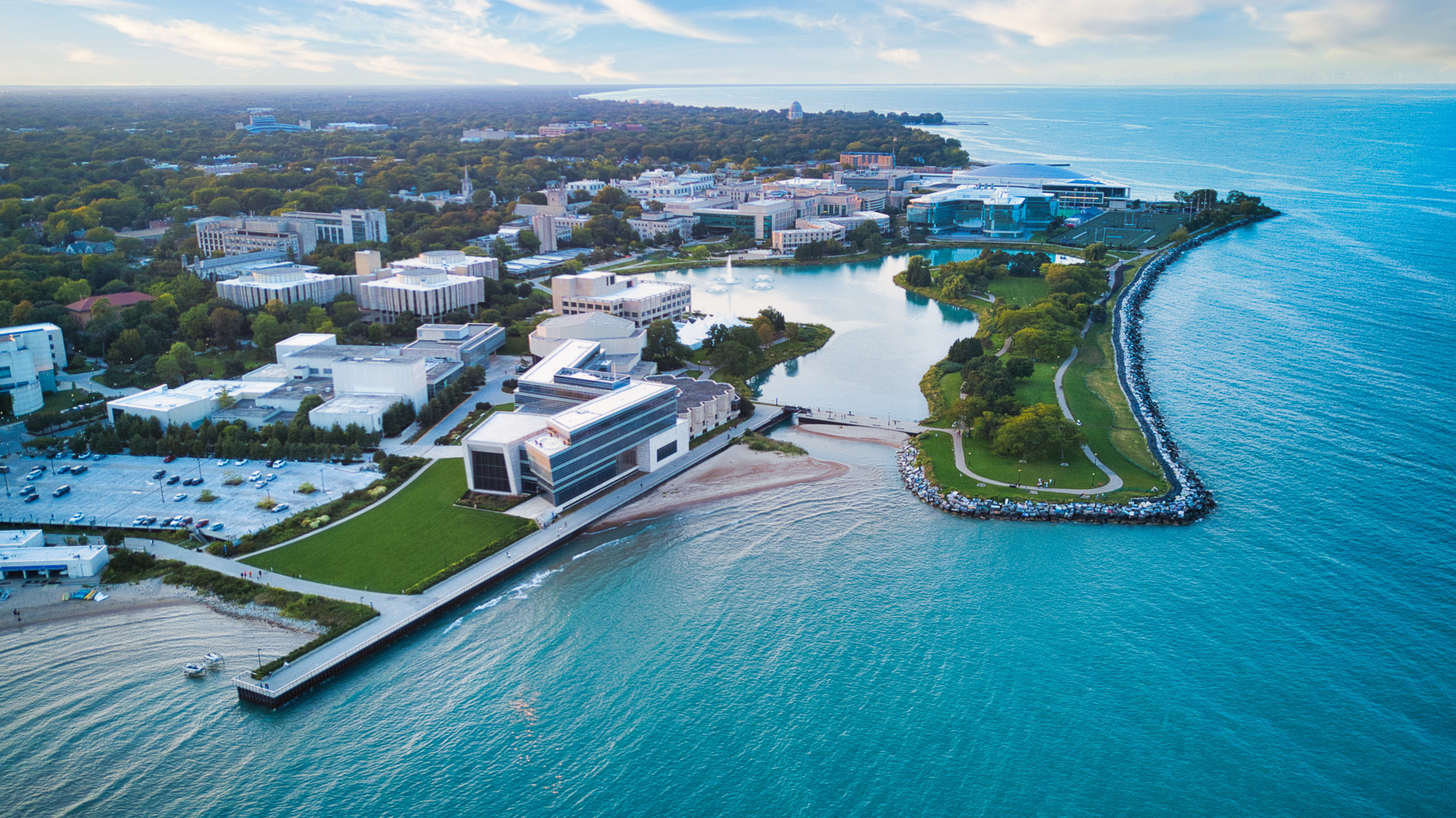
Northwestern
📍 Evanston, IL
⚠ Need-aware internationals- Journalism
- Business
- Theatre
- Engineering
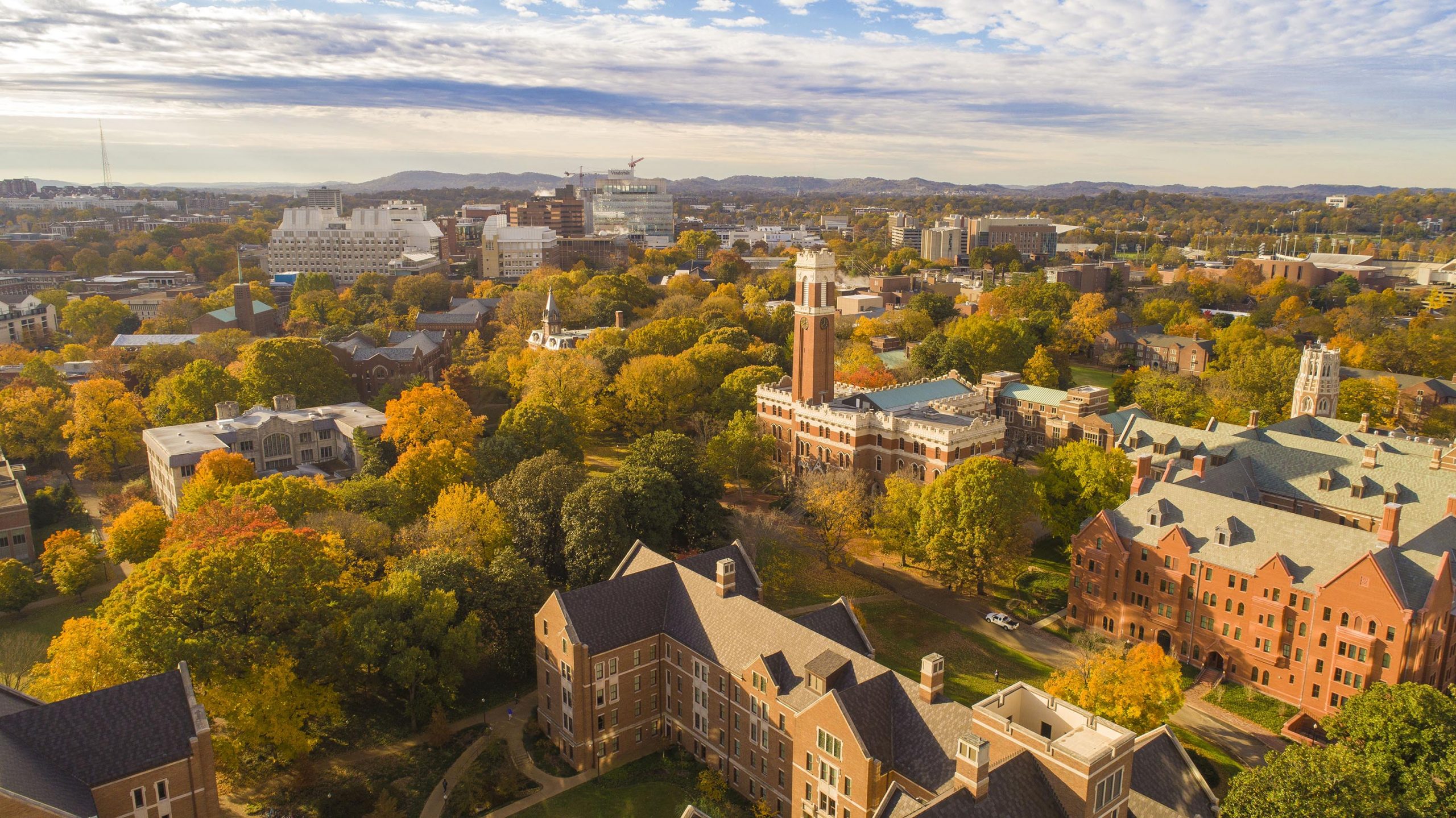
Vanderbilt
📍 Nashville, TN
⚠ Need-aware internationals- Pre-Med
- Education
- Music
- Engineering
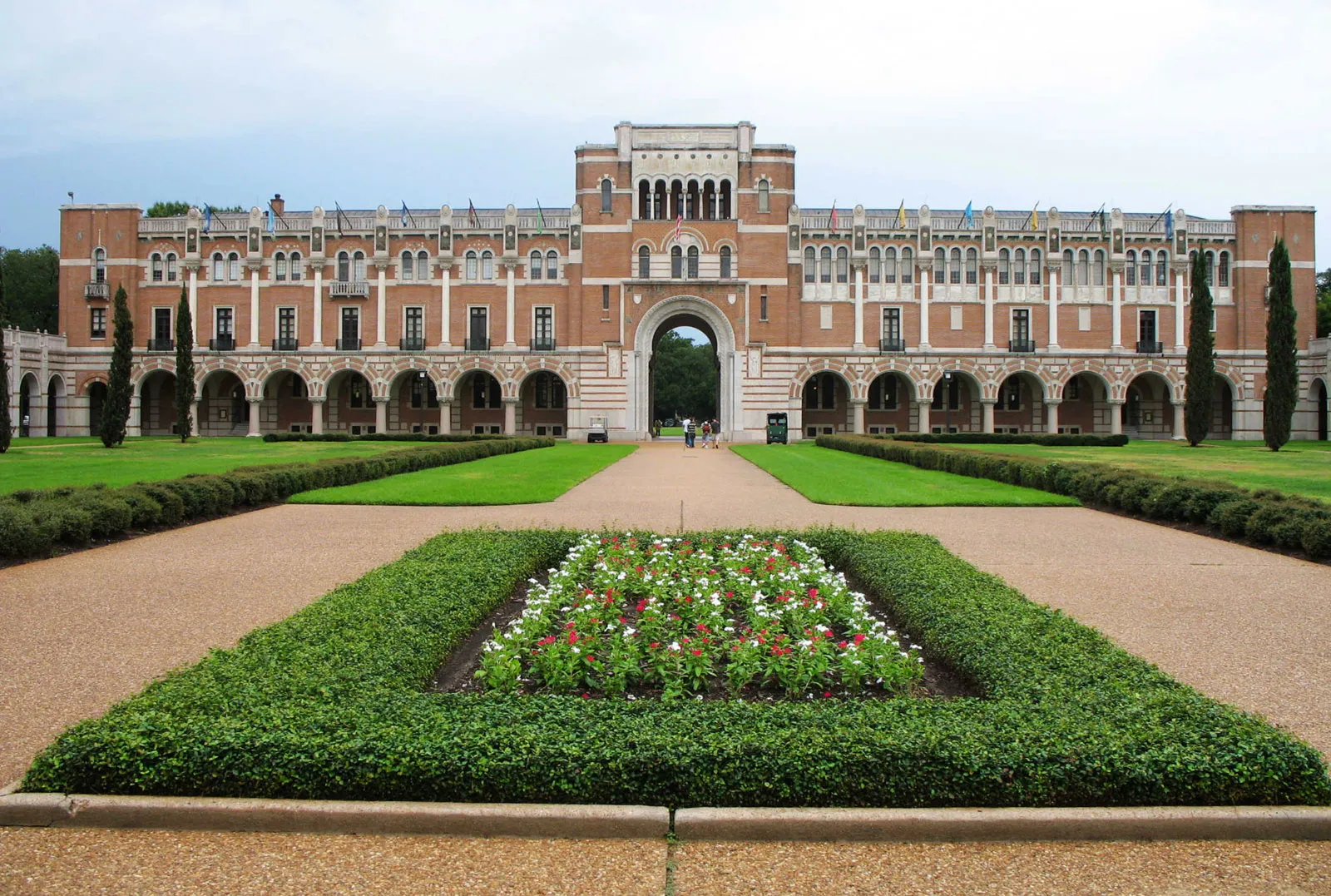
Rice University
📍 Houston, TX
⚠ Need-aware internationals- Engineering
- Architecture
- Music
- Sciences
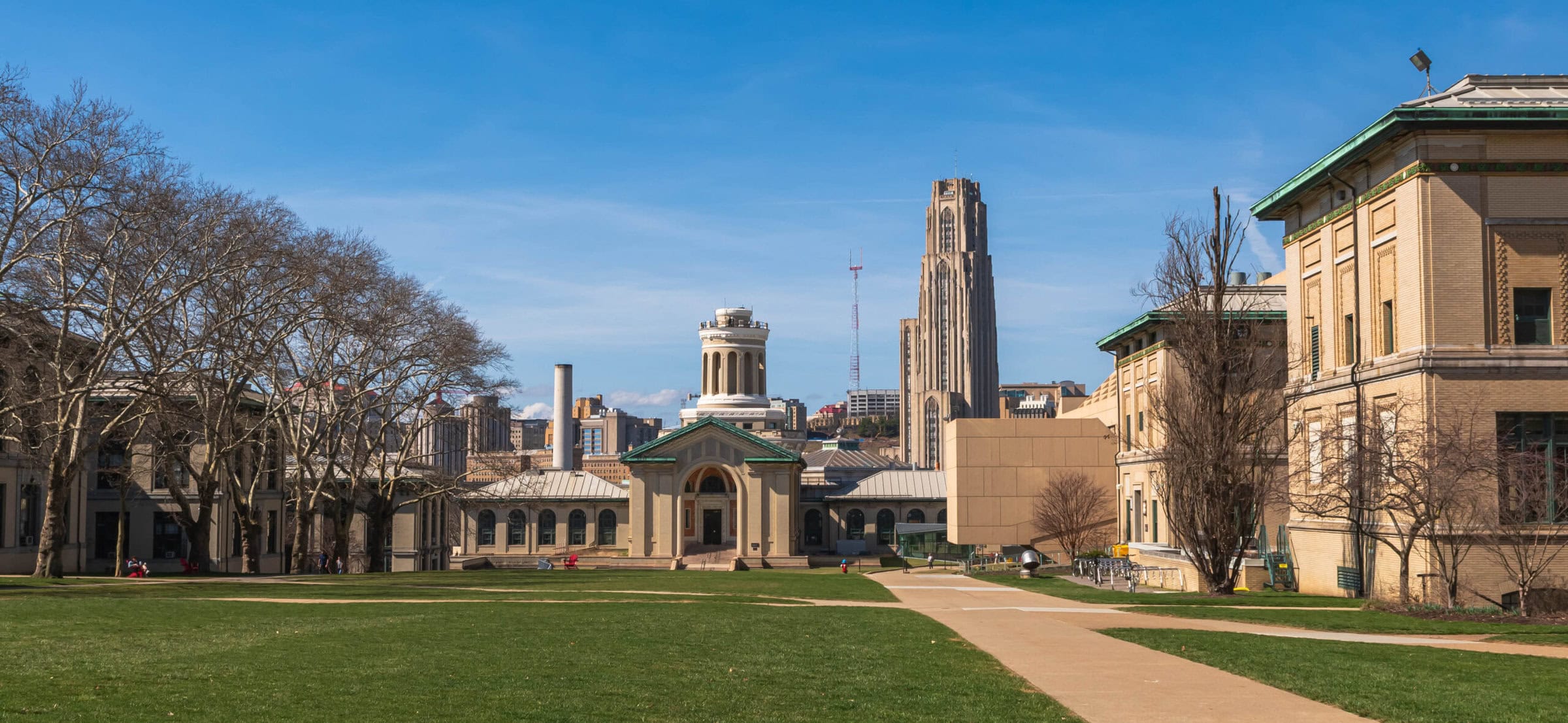
Carnegie Mellon
📍 Pittsburgh, PA
⚠ Need-aware internationals- CS
- Drama
- Design
- Robotics
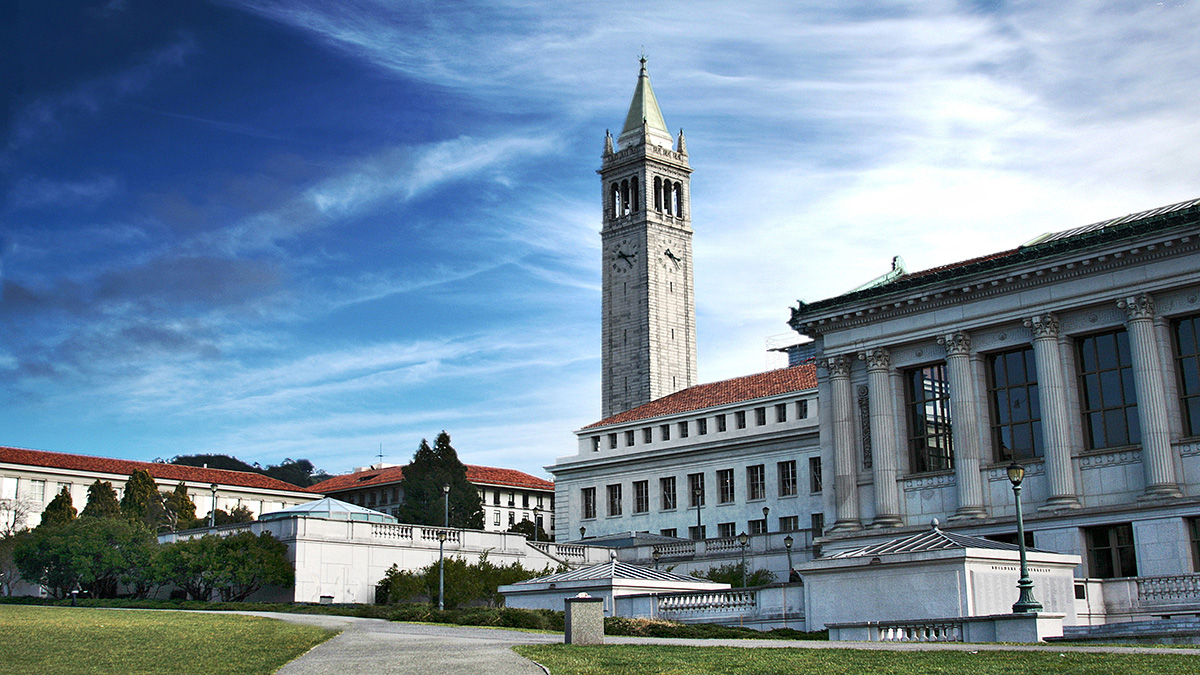
UC Berkeley
📍 Berkeley, CA
⚠ Public · limited aid- CS
- Engineering
- Economics
- Business
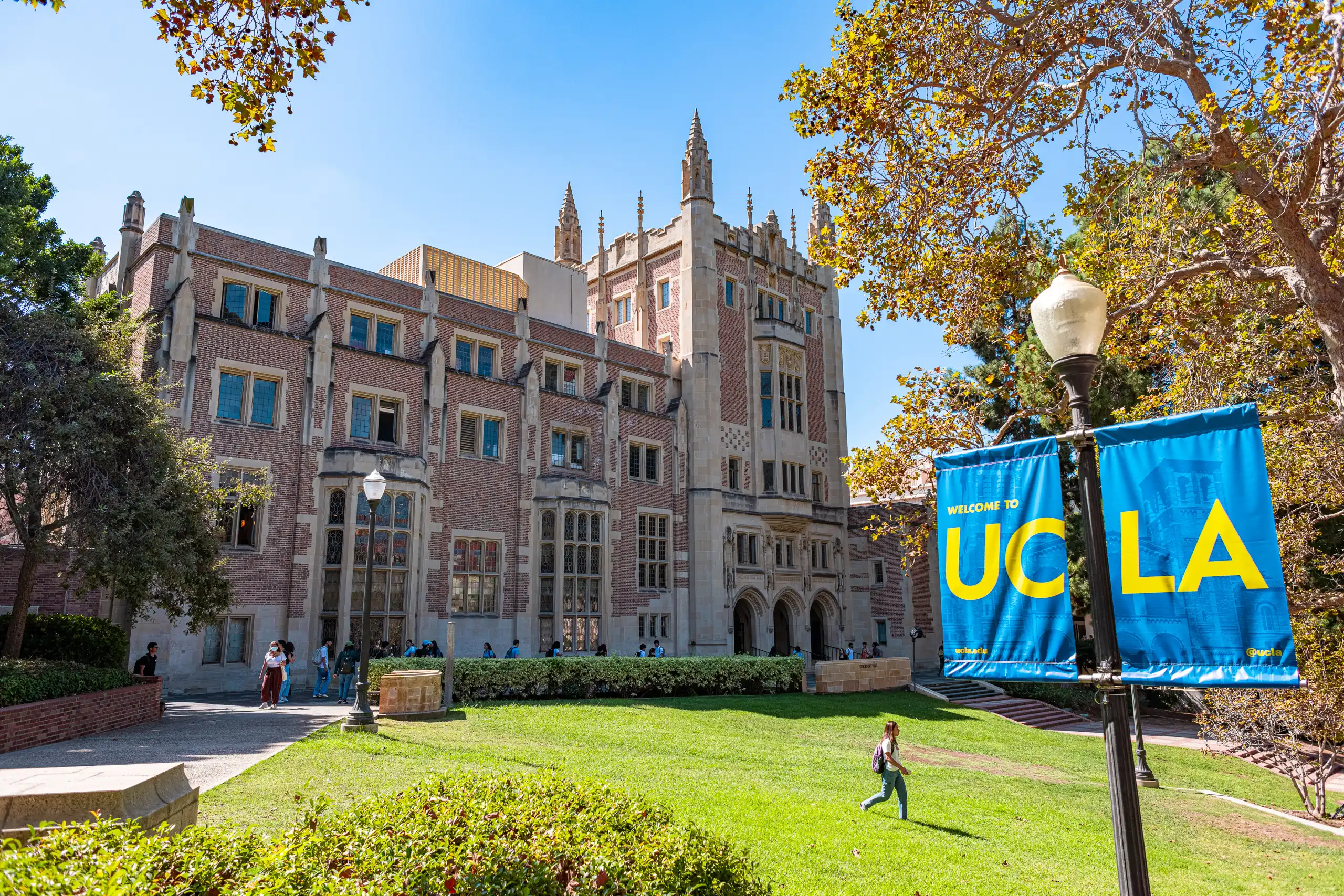
UCLA
📍 Los Angeles, CA
⚠ Public · limited aid- Film
- Business
- Psychology
- Engineering
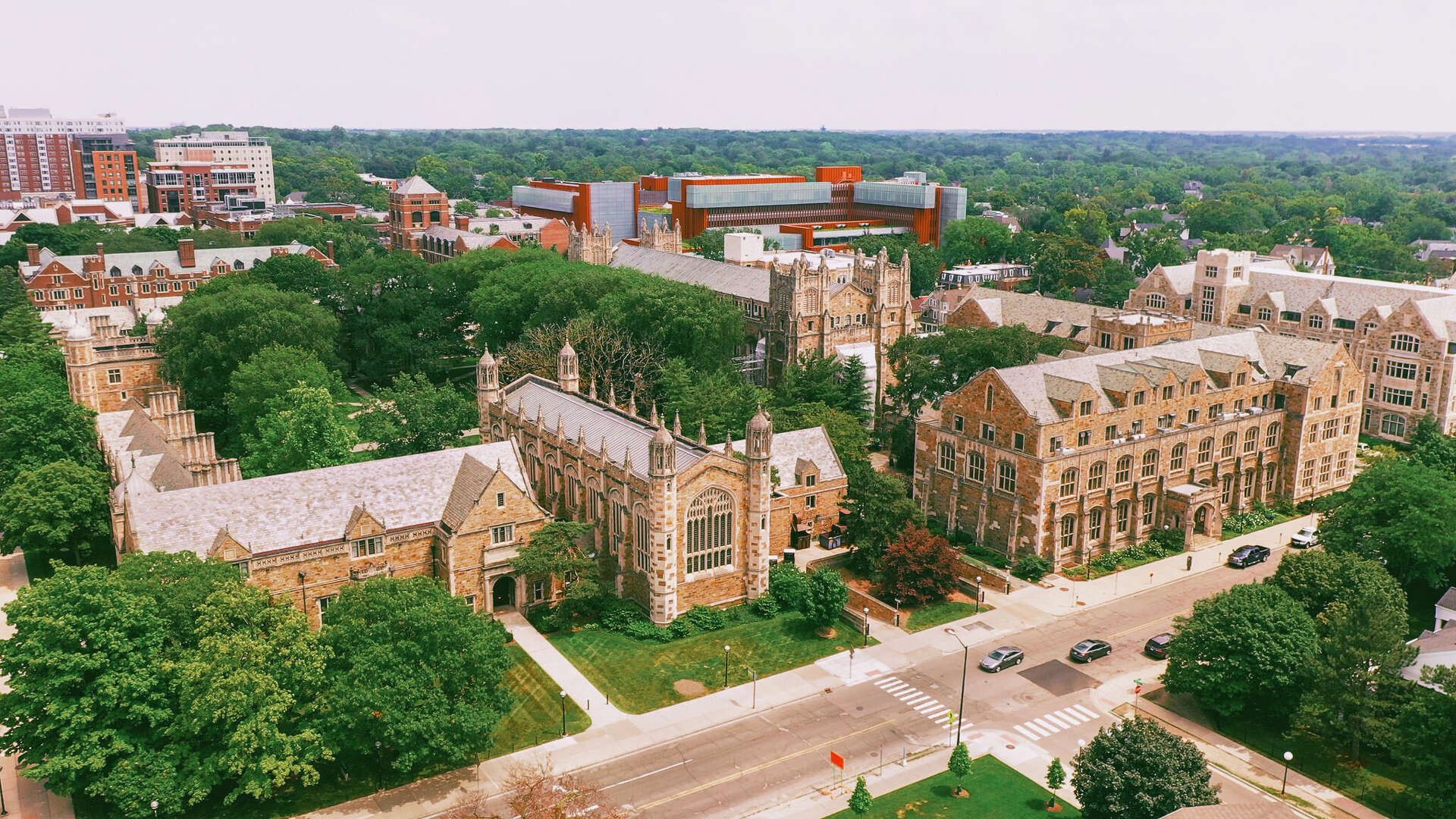
University of Michigan
📍 Ann Arbor, MI
⚠ Public · limited aid- Ross (Business)
- Engineering
- Sport Mgmt
- Sciences
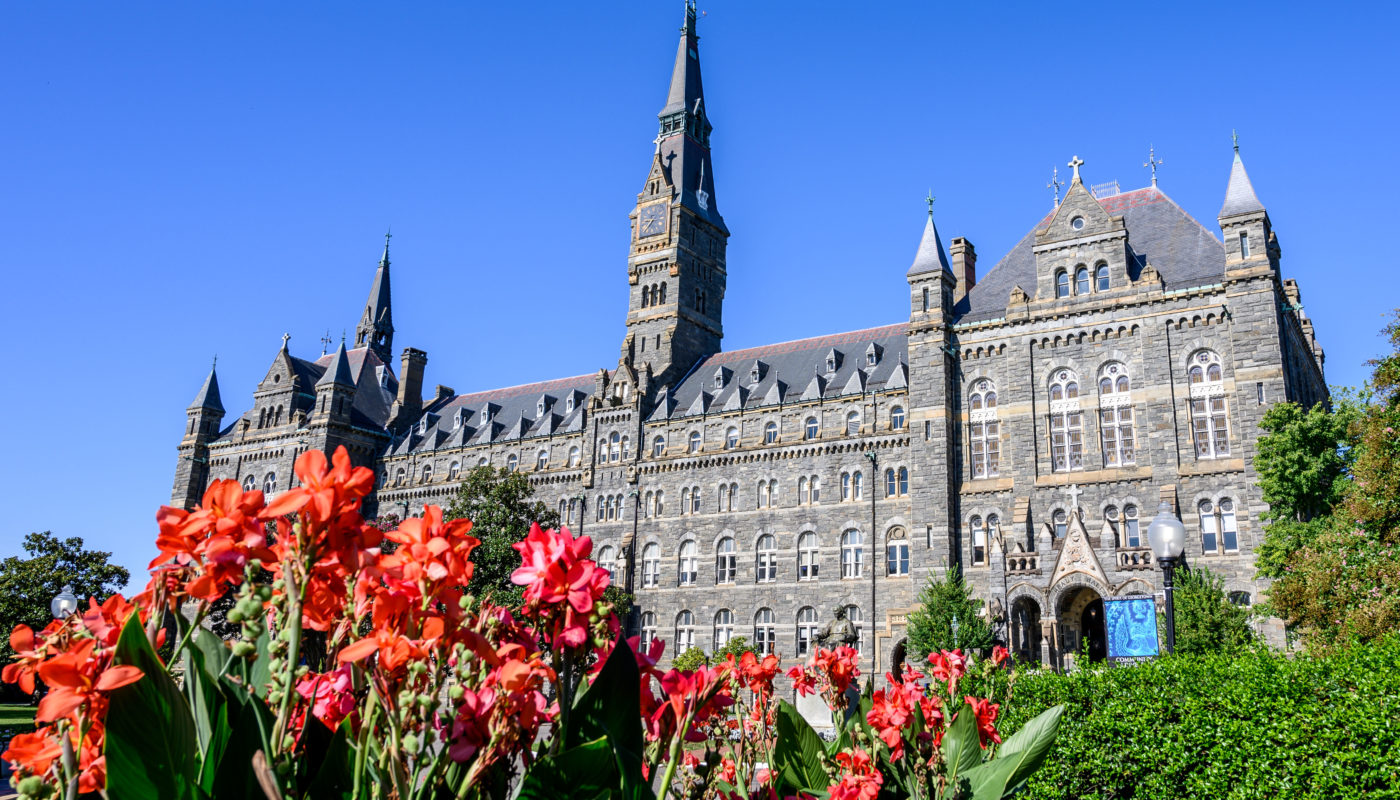
Georgetown
📍 Washington, DC
⚠ Need-aware internationals- IR
- Government
- Business
- Law

NYU
📍 New York, NY
⚠ Need-aware internationals- Stern (Biz)
- Tisch (Arts)
- IR
- Economics
Don't see your university?
There are other excellent ones too: Notre Dame (need-blind for internationals), USC, Emory, WashU, UNC. Our mentors help you find the perfect fit for you.
Talk to a mentorHow to apply to top non-Ivy
The process is largely the same Common App as the Ivy League, but each university comes with its own set of supplemental essays. Watch out for the important exceptions.
Common App (with one important exception)
14 of the 15 universities accept the Common App. Exception: MIT uses its own MyMIT portal (it is the only elite American private university that does not accept the Common App). UC Berkeley and UCLA use the UC Application instead of the Common App. Michigan accepts both the Common App and the Coalition App.
SAT or ACT (updated 2025-26 policies)
Required for 2025-26: MIT, Stanford (reinstated for the Class of 2030), Caltech (reinstated), Georgetown, Johns Hopkins. Test-optional remain: UChicago, Northwestern, Vanderbilt, NYU. Test-blind (do not accept scores at all): UC Berkeley, UCLA. For maximum competitiveness, a score of 1500+ SAT is the real standard.
Specific supplemental essays
MIT asks for 5 short essays (no classic personal statement). Stanford has its iconic "Roommate Essay". UChicago is famous for its surreal prompts. Your Baccalaureate does not replace the essays, it completes the profile. Prepare 12 to 20 essays in total if you apply to 5 to 7 universities.
Recommendations (2 teachers plus counsellor)
Same as the Ivy League: 2 teachers (ideally Math/Science plus Humanities) and a school counsellor or form teacher. In Romania, the form teacher plus a subject teacher works well. Stanford and Duke also accept additional recommendations from a coach, mentor or project supervisor.
Portfolios or technical interviews
MIT accepts a "Maker Portfolio" (engineering projects). NYU Tisch requires an audition or portfolio for the arts. CMU School of Drama requires an audition. Check the special requirements of each school you apply to.
Deadlines plus strategy for Romanians
Early Action or Early Decision: 1 to 15 November. Regular Decision: 1 to 15 January. The UC system has its own deadline: 30 November. All these deadlines fall BEFORE the Baccalaureate (June to July), so you apply with your current high school transcript and provisional grades. Apply Early to your most desired university; the rates are 2 to 3 times higher than Regular.
Why choose top non-Ivy
Four advantages the Ivy League cannot match: specialisation, geography, the public option and entrepreneurial innovation.
Deep specialisation in your field
MIT is #1 in the world for engineering and CS. Stanford dominates tech entrepreneurship. Caltech is the reference for pure science. JHU is top for medicine. CMU is the capital of robotics and design. If you know exactly what you want, there are specialised universities that surpass the Ivy League.
Geographic and cultural diversity
The Ivy League is concentrated in the Northeast. Top non-Ivy takes you to Silicon Valley (Stanford), the Pacific Coast (Berkeley, UCLA, Caltech), the Texas tech boom (Rice), Midwest research hubs (UChicago, Northwestern, Michigan) and the emerging South (Duke, Vanderbilt). Completely different experiences, with Romanian communities in cities like New York, San Francisco and Chicago.
A globally recognised public option
UC Berkeley, UCLA and Michigan are the only American public universities in the global top 30. Berkeley has 580,000 living alumni worldwide. A globally recognised brand, with more affordable costs than the privates (~$65-80k vs $80-95k with housing). Note: as a Romanian, you are "out-of-state/international", so you do not benefit from the rate for California or Michigan residents.
Innovation and entrepreneurship at the source
Companies founded by Stanford alumni generate annual revenues of approximately $2.7 trillion USD (Google, Hewlett-Packard, Cisco, LinkedIn, Netflix, Nvidia, YouTube, Snapchat, Instagram). MIT alumni have launched companies that have created 5.4 million jobs globally. Steve Wozniak, co-founder of Apple, studied at Berkeley. If you want to build something, you are in the right ecosystem.
Want to apply to top non-Ivy?
Our mentors studied at Stanford, MIT, Berkeley, Northwestern. They guide you through the entire process, from application strategy to the final decision. The first session is 100% free.
Talk to a mentorFrequently asked questions
What Romanian students and their parents most often ask about top non-Ivy universities.
Are non-Ivy universities less prestigious than the Ivy League?
No. MIT, Stanford and Caltech have admission rates of 2 to 5 percent, lower than most Ivy universities. Stanford and MIT are often considered the top 2 in the world for tech and entrepreneurship. The Ivy League is a sports conference from 1954, not an academic ranking. The term "Ivy Plus" is used informally for the 8 Ivies plus MIT, Stanford, UChicago, Caltech, Duke.
Why are MIT, Stanford and Caltech not in the Ivy League?
The Ivy League was formed as a sports conference in 1954 between 8 private universities in the northeastern USA. MIT and Caltech are specialised institutes of technology, not generalist universities. Stanford is on the West Coast. Their geography and academic profile kept them outside the league, even though they are just as prestigious. The term "Ivy Plus" is used informally for the 8 Ivies plus MIT, Stanford, UChicago, Caltech, Duke.
What scholarships can I get as a Romanian at top non-Ivy?
The privates offer the most generous packages. MIT is the only university on this list that is need-blind for internationals and covers 100 percent of demonstrated financial need, including for Romanians. Stanford, Duke, Northwestern, JHU and Vanderbilt are need-aware for internationals (it can disadvantage you at admission if you need a lot of financial aid) but generate generous packages for admitted Romanians. NYU, through the NYU Promise program, covers 100 percent of need for all admitted internationals with demonstrated need. The publics (UC Berkeley, UCLA, Michigan) have very limited scholarships for internationals; budget for the full cost. Vanderbilt, Duke and Rice also offer competitive merit-based scholarships (open to students with excellent profiles).
How much do the public universities (Berkeley, UCLA, Michigan) cost for a Romanian student?
Public universities charge in-state residents differently from everyone else. As a Romanian student you are out-of-state or international and pay 45,000 USD to 55,000 USD per year for tuition alone, plus 20,000 USD to 25,000 USD for housing and living costs. Total: 65,000 USD to 80,000 USD per year. Compared with the privates (80,000-95,000 USD), you save 15,000-25,000 USD annually, but you do not benefit from the generous financial aid available at MIT or the Ivy League. Merit-based scholarships for internationals are limited at public universities.
What is the difference between Stanford and MIT?
Stanford is a generalist university with a strong tech profile, located in the heart of Silicon Valley. The culture is entrepreneurial, interdisciplinary, sun-belt relaxed. Top programs: CS, Business, Engineering, Medicine, Law. MIT is a specialised institute of technology: engineering, CS, pure sciences, mathematics. The culture is intense, geek-friendly, hands-on (motto mens et manus). For hard sciences and engineering MIT surpasses Stanford. For entrepreneurship and interdisciplinarity Stanford surpasses MIT. For a Romanian: MIT is need-blind for internationals, Stanford is need-aware but generates 100 percent of need for those admitted. Both are extremely competitive (3.7 percent Stanford, 4.5 percent MIT).
How many non-Ivy universities should I apply to in my strategy?
A typical strategy for an ambitious applicant: 4-6 Ivy universities, 4-6 top non-Ivy universities, 2-3 target universities (30-50 percent probability) and 2-3 safety (over 70 percent). Total 12-15 applications. The Common App allows a maximum of 20. For Early Action or Early Decision applications, the strategic choice is a single university (maybe two if one has a non-restrictive EA). Do not copy other people's lists; choose based on academic and financial fit for you.
How do I apply to MIT if it does not accept the Common App?
MIT uses its own MyMIT portal (apply.mitadmissions.org), open between mid-August and 1 January. It is the only elite American private university that does not accept the Common App. The MIT application requires: 5 short essays (200-250 words each), information about extracurricular activities, 2 recommendations from teachers (one from Math/Science, one from Humanities), a letter of evaluation from the form teacher or school counsellor, the high school transcript, SAT or ACT required, TOEFL or IELTS for those outside the USA. Application fee: 75 USD (with a waiver for cases of financial need). Deadlines: Early Action 1 November, Regular Action 5 January.
Carnegie Mellon vs Princeton for Computer Science, which is better?
CMU is in the global top 3 for CS together with MIT and Stanford and surpasses Princeton in CS-specific rankings. The Computer Science program at the CMU School of Computer Science is intense, specialised and globally recognised. Princeton has good CS but within a liberal arts context. For pure CS and the tech industry CMU wins. For CS combined with humanities, academic research and generalist prestige Princeton wins. It depends on what you want to do afterwards. Note for Romanians: CMU is need-aware for internationals and does NOT cover 100 percent of need, while Princeton is need-blind and meets 100 percent of need for all internationals.
Our mentors for the USA
They studied in the USA, at universities like Harvard, MIT and Stanford. They went through the process. Now they guide you.


