
Universität Freiburg
Founded in 1457, the fifth-oldest university in Germany. A public comprehensive university in Baden-Württemberg, QS World 2026 number 201 and among the top 10 in Germany. Roughly 24,000 students, of whom about 18 percent are international from over 120 countries. As an EU citizen you pay zero tuition, only the Semesterbeitrag of about EUR 190 per semester. Strengths: medicine, life sciences, law and humanities.
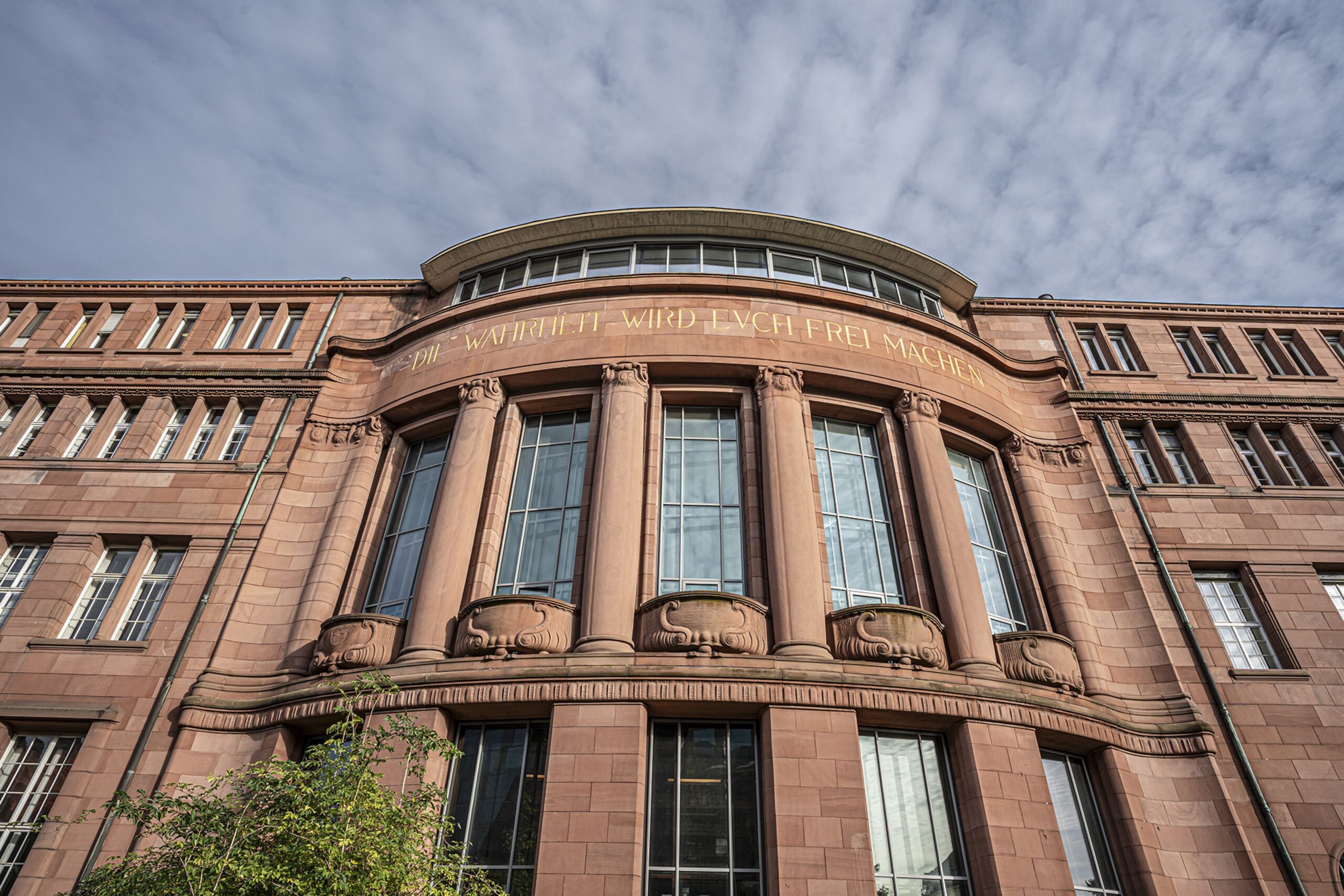
About Universität Freiburg
Albert-Ludwigs-Universität Freiburg (Universität Freiburg for short) is a public university founded in 1457, the fifth-oldest university in Germany. It sits in Freiburg im Breisgau, a university city in the state of Baden-Württemberg, on the edge of the Black Forest (Schwarzwald) and close to the borders with France and Switzerland. With more than 565 years of academic tradition, Freiburg is one of the leading comprehensive universities in the German-speaking world, with 22 Nobel laureates associated with it across its history.
Freiburg is a comprehensive university with 11 faculties, roughly 24,000 students and about 18 percent international from over 120 countries. In the QS World University Rankings 2026 it sits at position 201 worldwide and is among the top 10 universities in Germany. The German higher-education system is based on public funding, so it has no high Anglo-Saxon-style fees: the key advantage for Romanians is the combination of academic quality and low costs.
Strong fields at Freiburg: Medicine (with the university hospital Universitätsklinikum Freiburg, one of the largest in Germany), life sciences (biology, biochemistry, neuroscience), law (Rechtswissenschaft, a historic tradition), humanities (history, philology, philosophy), plus microsystems engineering and computer science. The university offers around 113 bachelor's programmes and over 130 master's programmes. Important for Romanians: most bachelor's degrees are taught in German and require a C1 level, while some master's programmes are in English.
For Romanian students, Freiburg is one of the best opportunities in Europe. Baden-Württemberg charges EUR 1,500 per semester in tuition only for students from outside the EU, but as an EU citizen (so a Romanian) you pay zero tuition, exactly like a German student. The only recurring payment is the Semesterbeitrag (semester contribution) of about EUR 190 per semester, which covers administration, student representation and student services (Studierendenwerk). Applications are usually made through the centralised platform uni-assist, and the Romanian Baccalaureate is recognised as a qualification for university entry (Hochschulzugangsberechtigung), sometimes via a Studienkolleg if needed.
How to apply to Freiburg
Check recognition of your Baccalaureate
First step: check on anabin (the official German database) and on the Freiburg website whether the Romanian Baccalaureate gives you direct access to a bachelor's (Hochschulzugangsberechtigung). For some candidates a year of Studienkolleg or minimum Baccalaureate grades may be required. As an EU citizen, you do not need a study visa.
Choose your programme (most in German)
Freiburg has around 113 bachelor's and 130-plus master's. Most bachelor's degrees are taught in German (medicine, law, sciences, humanities); English-taught programmes appear mainly at master's level. Check whether your chosen programme has open admission or a Numerus Clausus (NC), that is selection by grade average, as is the case for medicine.
Proof of German at C1 (for bachelor's)
For German-taught programmes you need an accepted certificate: DSH-2/DSH-3, TestDaF (TDN 4-5), telc C1 Hochschule or Goethe-Zertifikat C1/C2. For English-taught programmes (mainly master's): IELTS or TOEFL according to the programme requirement. Start your German preparation 1-2 years in advance.
Apply through uni-assist
For candidates with a foreign diploma, Freiburg usually processes applications through uni-assist (Arbeits- und Servicestelle für internationale Studienbewerbungen). You upload your Baccalaureate diploma, transcript, language proof and pay the uni-assist fee (usually ~EUR 75 for the first programme, ~EUR 30 for each additional programme). Deadlines: 15 July for the winter semester, 15 January for the summer semester (check per programme).
Anmeldung and registration as an EU citizen
As a Romanian (EU) citizen you do not need a study visa. After arriving in Freiburg you complete the Anmeldung (registering your address at the Bürgeramt) in the first few days, open a German bank account and arrange your health insurance (the European Health Insurance Card or German public student insurance, ~EUR 120 per month at AOK/TK).
Immatrikulation and paying the Semesterbeitrag
After your letter of admission (Zulassungsbescheid) you complete the Immatrikulation (the actual enrolment) at Freiburg. As an EU citizen you pay no tuition, only the Semesterbeitrag of about EUR 190 per semester (administration, student representation, Studierendenwerk). You then receive your Studierendenausweis and usually the semester transport pass.
Costs for Romanians
EU citizens (Romanians) 2026-27
Comparison: non-EU students
Zero tuition
As a Romanian (EU) citizen you pay zero tuition at Freiburg, identical to a German student, and you completely avoid the EUR 1,500 per semester fee applied to non-Europeans in Baden-Württemberg. You do not need to do anything special, just prove EU citizenship with a Romanian passport or ID card. The only payment is the Semesterbeitrag of about EUR 190 per semester.
German scholarships
Deutschlandstipendium: EUR 300 per month for high-achieving students, funded 50 percent by the state and 50 percent by partner companies. DAAD (Deutscher Akademischer Austauschdienst): scholarships for international students, mainly at master's level. Erasmus+: if you come initially on an exchange of 1-2 semesters, you receive a monthly grant. These scholarships stack with the zero-tuition advantage you already have as an EU citizen.
Scholarship + student job
As a Romanian student you are eligible for scholarships from the Romanian Ministry of Education for studies in the EU and, in some cases, for scholarship programmes from your local council (check locally). In addition, as an EU citizen you have the right to work in Germany without restrictions, and a student job (Werkstudent or mini-job) covers a good part of the cost of living in Freiburg.
Want to apply to Freiburg?
We help you check recognition of your Baccalaureate, choose the right programme, prepare your proof of German at C1, apply through uni-assist and benefit from zero tuition as an EU citizen. Our mentors in Europe have been through the process. The mentoring session is 100% free.
Talk to a mentorFrequently asked questions
How much does Universität Freiburg cost for a Romanian?
As an EU citizen, you pay zero tuition at Freiburg, exactly like a German student. The only recurring payment is the Semesterbeitrag of about EUR 190 per semester (administration, student representation, Studierendenwerk), that is around EUR 380 per year. Note the distinction: Baden-Württemberg charges EUR 1,500 per semester in tuition, but only for students from outside the EU. For you, as a Romanian, that fee does not apply. The real cost is living in Freiburg: accommodation EUR 350-600 per month, food and expenses EUR 350-500 per month, health insurance about EUR 120 per month.
Why do Romanians pay zero tuition if Baden-Württemberg has a EUR 1,500 fee?
Because the EUR 1,500 per semester fee introduced in Baden-Württemberg applies exclusively to students from outside the European Union. Romania is an EU member state, so you are treated like a German student: zero tuition. This is your most important financial advantage. Your only payment is the Semesterbeitrag of about EUR 190 per semester, which is not a study fee but an administrative contribution for student services (canteen, transport, counselling).
Do I need to know German to study at Freiburg?
For most bachelor's degrees, yes: bachelor's programmes at Freiburg (medicine, law, sciences, humanities) are taught in German and require a C1 level. Accepted proof: DSH-2/DSH-3, TestDaF (TDN 4-5), telc C1 Hochschule or Goethe-Zertifikat C1/C2. At master's level there are some programmes taught in English, for which you need IELTS or TOEFL. There is also one exception at bachelor's level: University College Freiburg (UCF) offers Liberal Arts and Sciences (B.A./B.Sc.), a bachelor's taught entirely in English, for those who want to study in English at Freiburg. Recommendation for Romanians: if you are aiming for a bachelor's, start German 1-2 years in advance so you reach C1 in time.
How do I apply to Freiburg as a Romanian student?
For candidates with a foreign diploma, Freiburg usually processes applications through uni-assist (Arbeits- und Servicestelle für internationale Studienbewerbungen). The steps: 1) check recognition of your Baccalaureate on anabin; 2) choose your programme and check whether it has a Numerus Clausus; 3) obtain proof of German at C1; 4) create a uni-assist account, upload your Baccalaureate diploma, transcript and language certificate, then pay the fee (~EUR 75 first programme, ~EUR 30 each additional programme). Deadlines: generally 15 July for the winter semester and 15 January for the summer semester (check per programme).
Is the Romanian Baccalaureate accepted at Freiburg?
Yes, the Romanian Baccalaureate is recognised as a Hochschulzugangsberechtigung (a qualification for entry into German higher education), but the conditions depend on the programme and your grades. For some candidates a minimum Baccalaureate average is required, and in certain situations a year of Studienkolleg (a preparatory year) may be needed before the bachelor's. Check the exact status on the official anabin database and on the admission page of your target programme. For programmes with a Numerus Clausus (such as medicine), your Baccalaureate grade counts directly in selection.
What are the strongest programmes at Freiburg?
Freiburg is renowned for: Medicine (with Universitätsklinikum Freiburg, one of the largest university hospitals in Germany), life sciences (biology, biochemistry, neuroscience, immunology), law (Rechtswissenschaft, a faculty with a historic tradition), humanities (history, philology, philosophy), plus microsystems engineering and computer science. In the QS World University Rankings 2026 the university is ranked 201 worldwide and in the top 10 in Germany, with several disciplines ranked among the top 5 nationally.
Do I need a visa to study in Germany?
No. As a Romanian (EU) citizen you have the right of free movement, so you do not need a study visa for Germany. After arriving in Freiburg you only need to complete the Anmeldung (registering your address at the Bürgeramt) in the first few days, open a German bank account and sort out your health insurance (the European Health Insurance Card or a German public student insurance such as AOK/TK, about EUR 120 per month). You also automatically have the right to work in Germany, with no permit restrictions.
Can I stay in Germany after graduation?
Yes, as an EU citizen you automatically have the right to stay and work in Germany without a work permit, unlike non-EU students who need a visa. Germany is the largest economy in the EU, with strong demand for graduates in medicine, engineering, IT, sciences and law. The Freiburg region and the state of Baden-Württemberg host companies in the automotive, tech, healthcare and renewable-energy industries (Bosch, SAP, Daimler, many medical and microsystems firms). With a German degree recognised across the EU, you can then work anywhere in the Union without a visa.
Our mentors in Europe
They studied at Bocconi, Sciences Po, TU Delft, ETH Zurich and other EU universities. Now they guide you.


